CCL Treatment Options for Dogs and Cats

Cranial cruciate ligament (CCL) disease is one of the most common causes of knee pain in dogs, but it can also occur in cats. Arthrex Vet Systems offers advanced surgical techniques and supportive therapies designed to help restore stability, reduce discomfort, and support a return to normal activity.

Tibial Plateau Leveling Osteotomy (TPLO)

arrow_outward
Tibial plateau leveling osteotomy (TPLO) surgery for pets helps stabilize the knee to treat CCL disease. During surgery, your veterinarian adjusts the angle of the shinbone (tibia) and secures it with a plate and screws. This helps stabilize the knee and help slow osteoarthritis progression.1-3‍
‍
TPLO is widely considered one of the most effective pet surgery techniques for repairing CCL injuries,2 especially in active pets or medium to large breeds. When combined with proper rehabilitation, pets often return to comfortable activity with excellent long‑term results.3,4 Recovery is supported by proper rest and a structured rehabilitation plan.
Want to Learn More?
Watch another video
Treatment options

Other Treatment Options

Not every pet or condition requires the same approach. Your veterinarian may recommend additional or alternative treatments based on your pet’s specific needs.

InternalBrace™ Repair

InternalBrace repair can be added to a TPLO in some cases to provide additional support.5

While TPLO stabilizes the knee for most dogs, some pets may still experience unwanted twisting in the knee. InternalBrace repair can help control this movement and improve overall stability during healing.
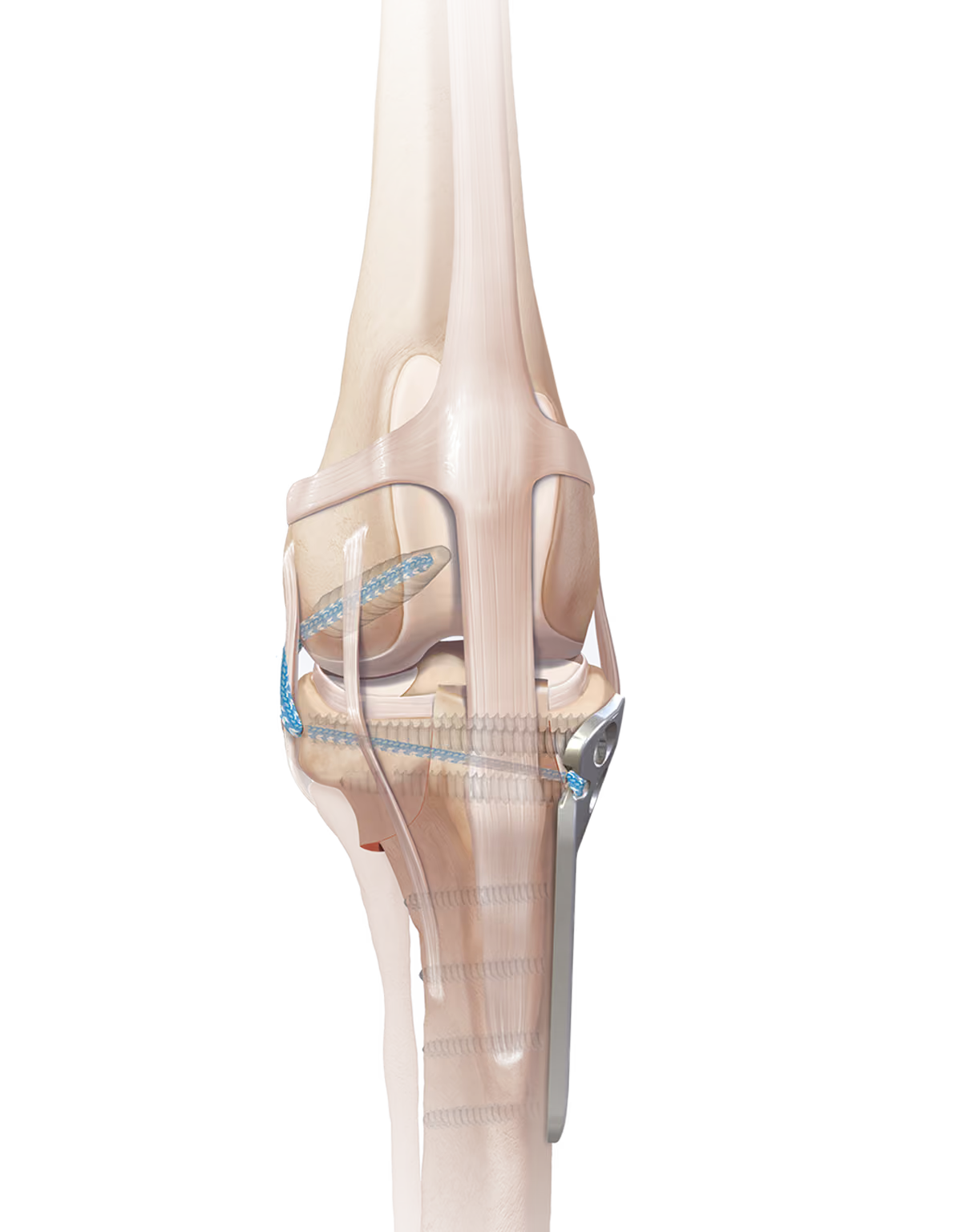
The InternalBrace surgical technique is intended only to augment the primary repair/reconstruction by expanding the area of tissue approximation during the healing period and is not intended as a replacement for the native ligament. The InternalBrace technique is for use during soft tissue-to-bone fixation procedures and is not cleared for bone-to-bone fixation.
View Brochure

TightRope® Stabilization

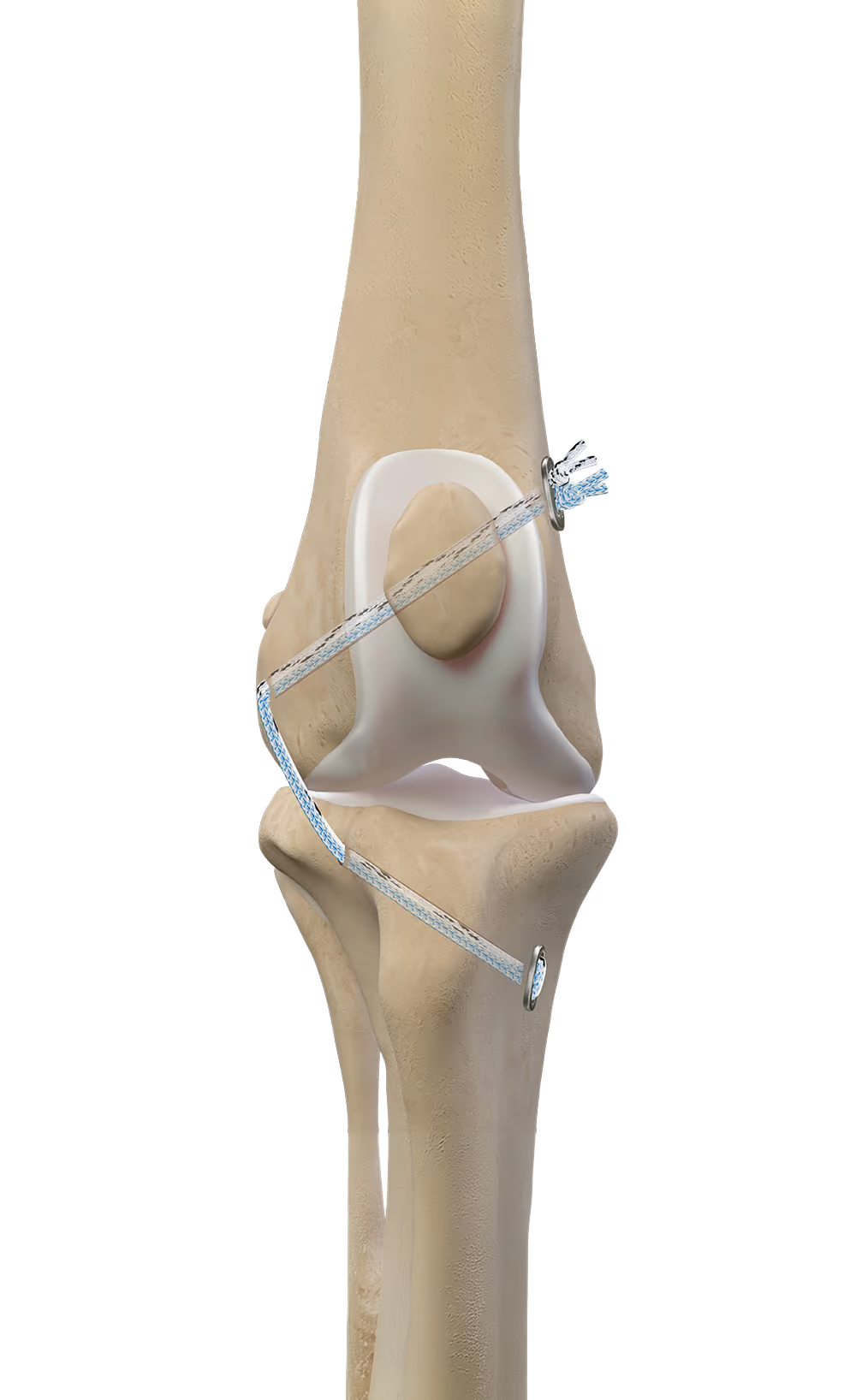
TPLO is considered one of the most effective techniques for CCL repair in dogs,2 but it may not be the right choice for every pet. For dogs who need strong knee support but aren’t ideal candidates for TPLO, TightRope stabilization can be a reliable alternative that helps improve stability6 and overall comfort.4


During this procedure, a very strong suture is placed through small bone tunnels to help keep the knee stable.
View Brochure

TPLO-MPL Combined Procedure

Some dogs experience both CCL disease and medial patellar luxation (MPL), a condition where the kneecap slips out of its normal position. When these issues occur together, a combined TPLO‑MPL surgery can address both problems at once.


During this procedure, the TPLO stabilizes the knee after the CCL tear, and the MPL correction helps keep the kneecap properly aligned. Treating both conditions in a single surgery may support smoother recovery and long‑term joint comfort. The TPLO-MPL plate allows your veterinarian to correct both knee problems through one surgical approach, making the procedure simpler and more efficient.7

View Brochure

JumpStart® Antimicrobial Wound Dressings

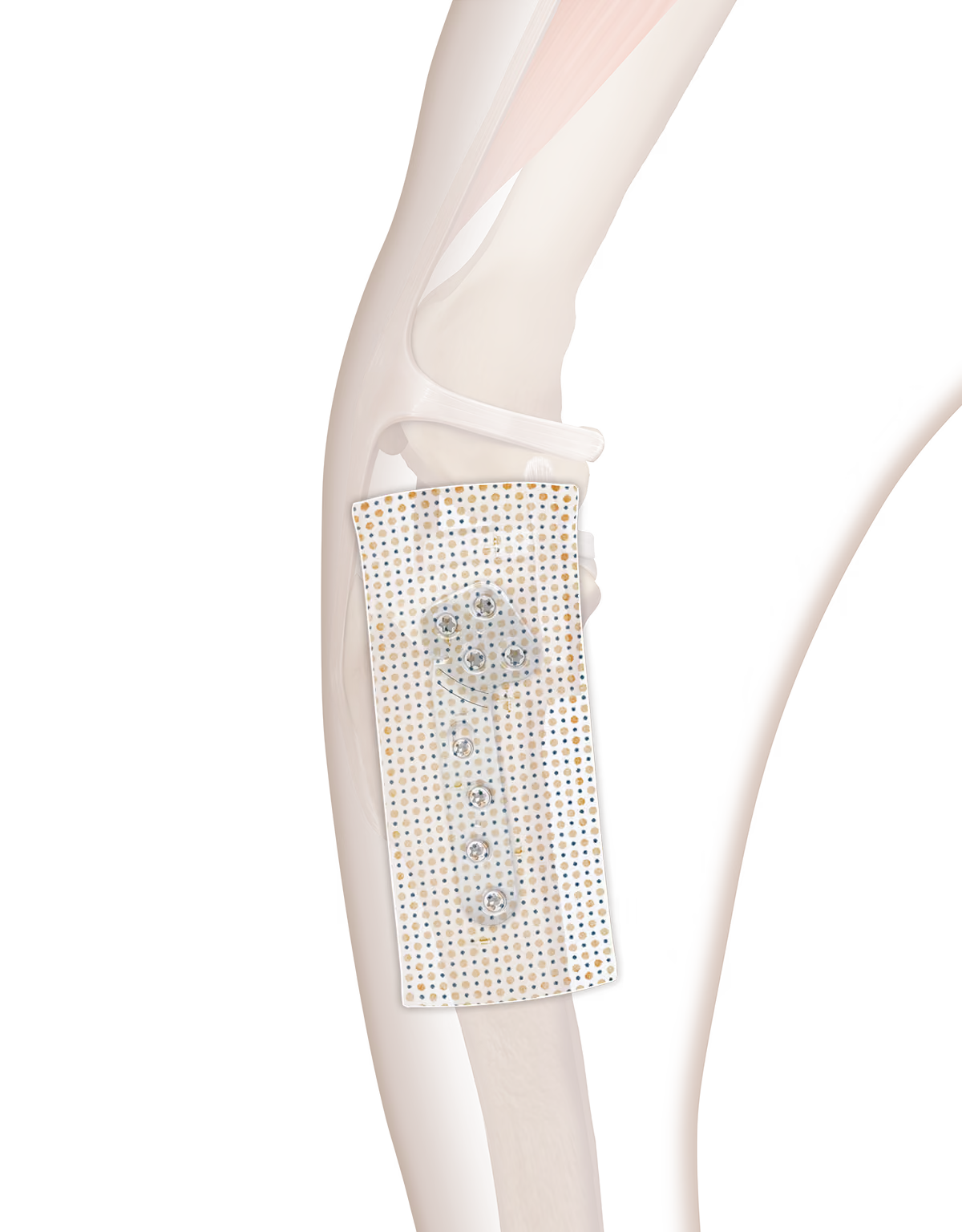
JumpStart dressings create moisture‑activated microcurrents that mimic the natural microcurrents of the body. These bandages are designed to protect surgical incisions from harmful bacteria and support wound healing.


Research suggests this technology may help wounds heal8 and may also help reduce the risk of infection by limiting harmful bacterial growth.9
View Brochure

Autologous Conditioned Plasma Therapy

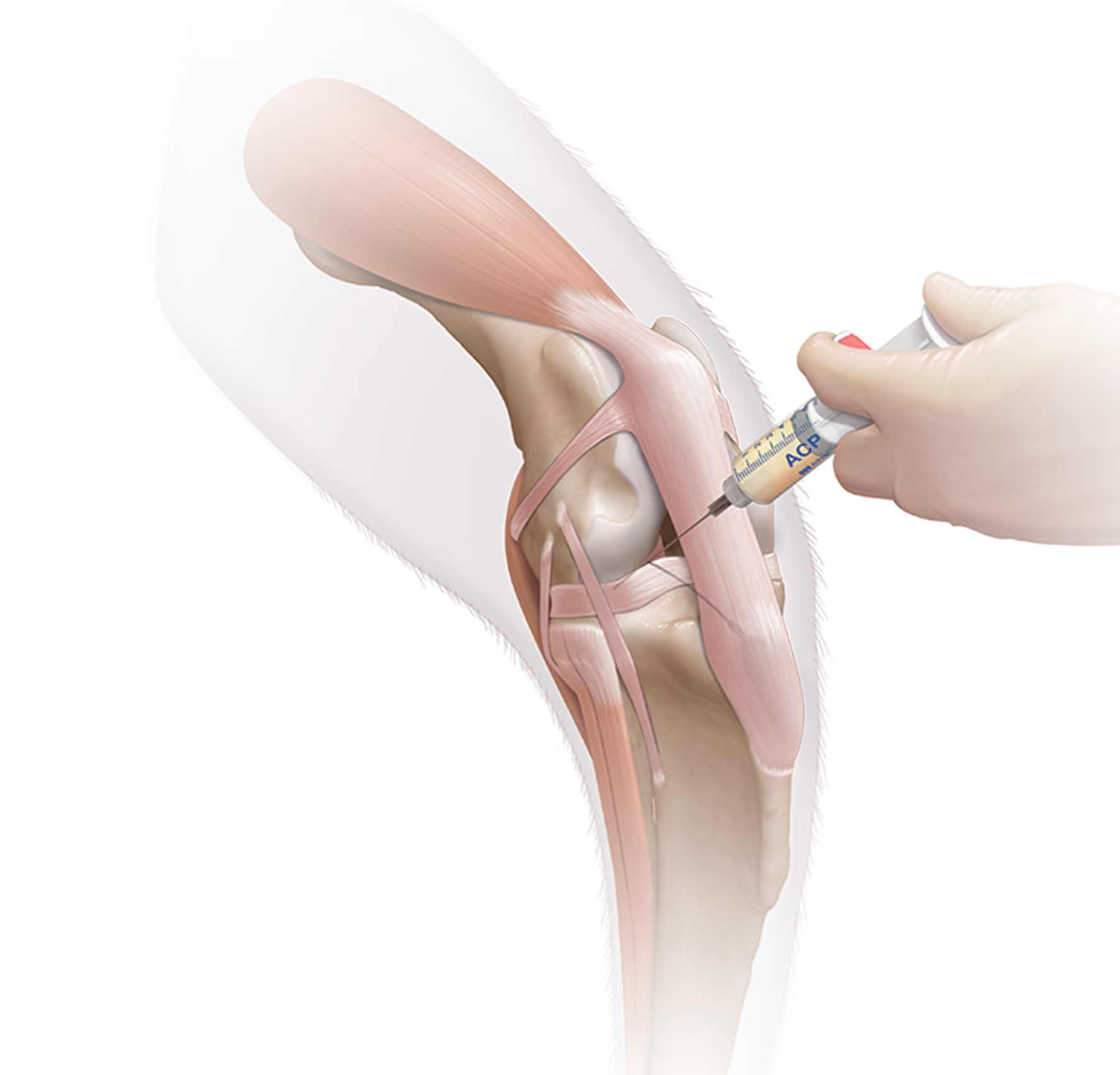
Autologous conditioned plasma (ACP) therapy uses your pet’s own blood to help reduce joint pain and support healing.10 A small blood sample is collected and processed to concentrate platelets and growth factors, which are natural components that help with healing.

This solution is then injected into the affected joint, where it can help calm inflammation, improve comfort, and support healthier joint function without introducing drugs or foreign substances. ACP can also be used to treat certain tendon and ligament injuries, as well as promote healing in some types of wounds.11
View Brochure

NanoNeedle™ Arthroscopy

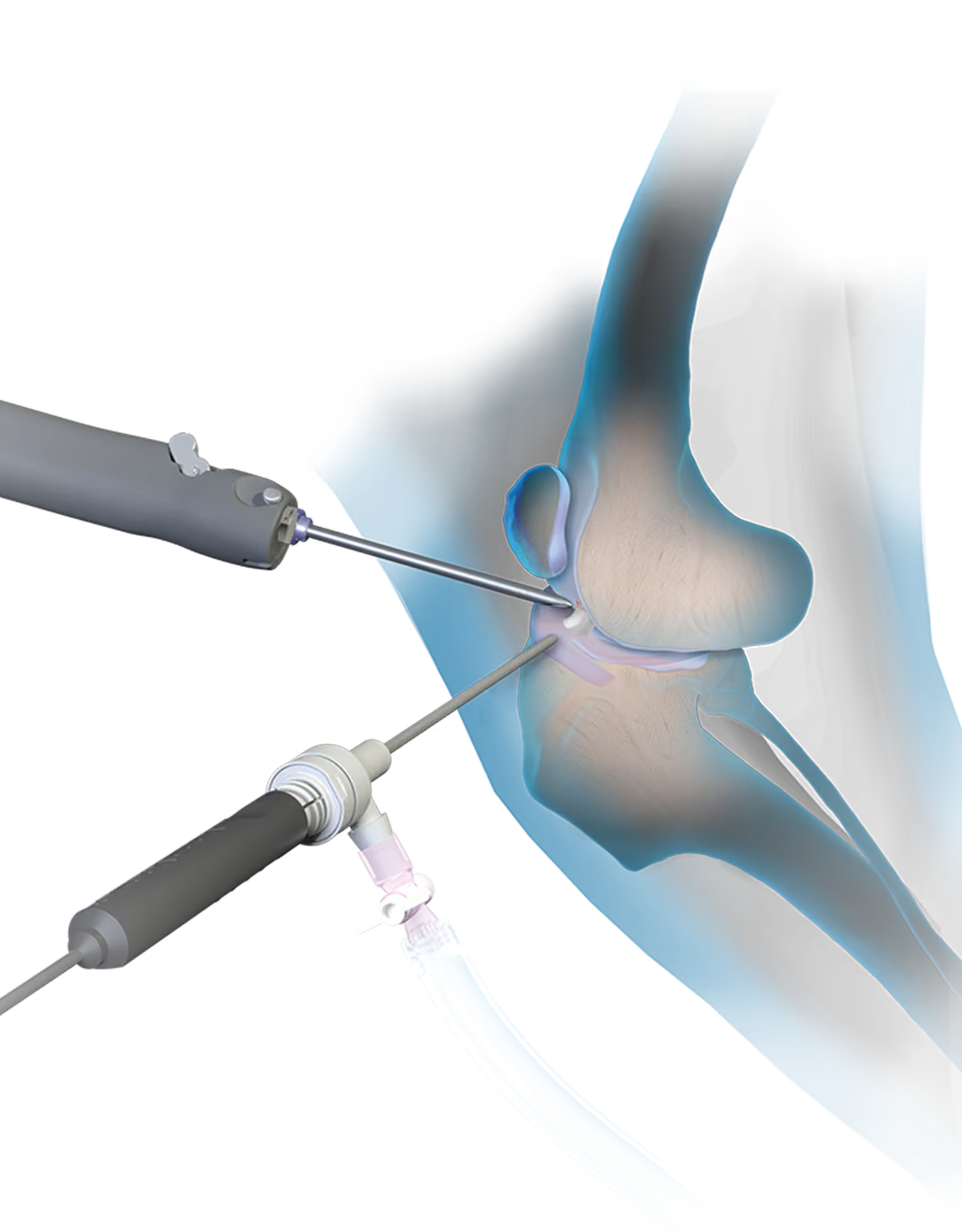
NanoNeedle arthroscopy is an ultra-minimally invasive technology that uses a needle-sized camera to look inside the joint. It can be used as a diagnostic tool under light sedation, allowing veterinarians to see joint structures clearly and identify problems without a full surgical procedure.

For certain conditions, the same tiny camera and instruments can also be used during surgery, enabling veterinarians to treat joint issues through very small incisions.
View Brochure

Recovery After CCL Surgery

Recovery is an important part of successful CCL treatment. While every pet heals at a different pace, most dogs and cats require a period of restricted activity followed by a gradual return to normal movement. Your veterinarian will provide specific instructions and monitor your pet's progress throughout recovery.

Recovery for Dogs

check_circle
Initial rest to allow early healing
check_circle
Controlled leash walks as recommended by your veterinarian
check_circle
Gradual return to activity over several weeks
check_circle
Follow‑up visits to monitor bone healing and joint stability
Find a Veterinarian

Recovery for Cats

check_circle
Limited activity for several weeks
check_circle
Confinement to a large crate or small room with no furniture to jump on
check_circle
Use of paper pelleted cat litter to avoid incision complications
check_circle
Gradual increase in movement under veterinary guidance
check_circle
Follow‑up visits to monitor bone healing and joint stability
Find a Veterinarian
Find a Veterinarian
Woman's feet with red pedicure resting above sunlit blue pool water

Find a Doctor Near You

close

Find a Veterinarian Near You

Enter your city, state, or ZIP (US only) to find a veterinarian near you.
Please enter your city, state, or zip (US only)