Understanding Arthritis in Animals

Healthy joints allow animals to move comfortably and stay active. Arthritis, also called osteoarthritis, is a common condition that affects joint function over time. Understanding how it develops, the signs to watch for, and available treatment options can help support long‑term comfort and mobility.
Understanding the condition

What Is Arthritis?

Arthritis develops when the smooth cartilage that cushions and protects a joint gradually wears down. Healthy joints rely on cartilage and joint fluid for smooth, comfortable movement. As cartilage deteriorates, the joint can become painful, stiff, and less mobile.

Arthritis often develops because of an underlying joint problem, such as a previous injury, joint instability, inflammation, fractures, ligament tears, cartilage damage, or meniscal injuries. It can also occur as a natural part of the aging process as joints experience wear and tear over time.

Signs and Symptoms

Signs of arthritis may include stiffness, especially after resting, difficulty getting up, reluctance to run, jump, play, or climb stairs, and decreased activity levels.

Your pet may also seem uncomfortable during exercise or less interested in activities they once enjoyed.

Because these changes often develop gradually, they can be easy to miss at first and are often attributed to normal aging.

Diagnosis

Because some of these conditions may benefit from surgical treatment, a thorough evaluation by your veterinarian is important to identify any underlying joint problems.

Arthritis can also develop as a result of aging or after a previous injury or surgery.

Unfortunately, arthritis cannot be cured or reversed once it develops. However, early diagnosis and treatment can help reduce pain, improve mobility, and slow disease progression,1 helping your pet stay active and comfortable for as long as possible.

Symptoms By Pet Type

Arthritis Symptoms

The signs of arthritis can vary between species and often develop gradually, making them easy to miss in the early stages.

Common signs of arthritis in dogs include stiffness (especially after rest), slower movement or reluctance to run or jump, difficulty rising or climbing stairs, and decreased activity or enthusiasm for play.

Because these changes often occur gradually, they may be mistaken for normal aging.

Common signs of arthritis in cats include stiffness (especially after rest), jumping less often or not jumping as high as usual, urinating or defecating outside the litter box, decreased grooming or a less well‑kept coat, sensitivity or discomfort when being pet (especially near the lower back or tail), and decreased activity or less interest in play.

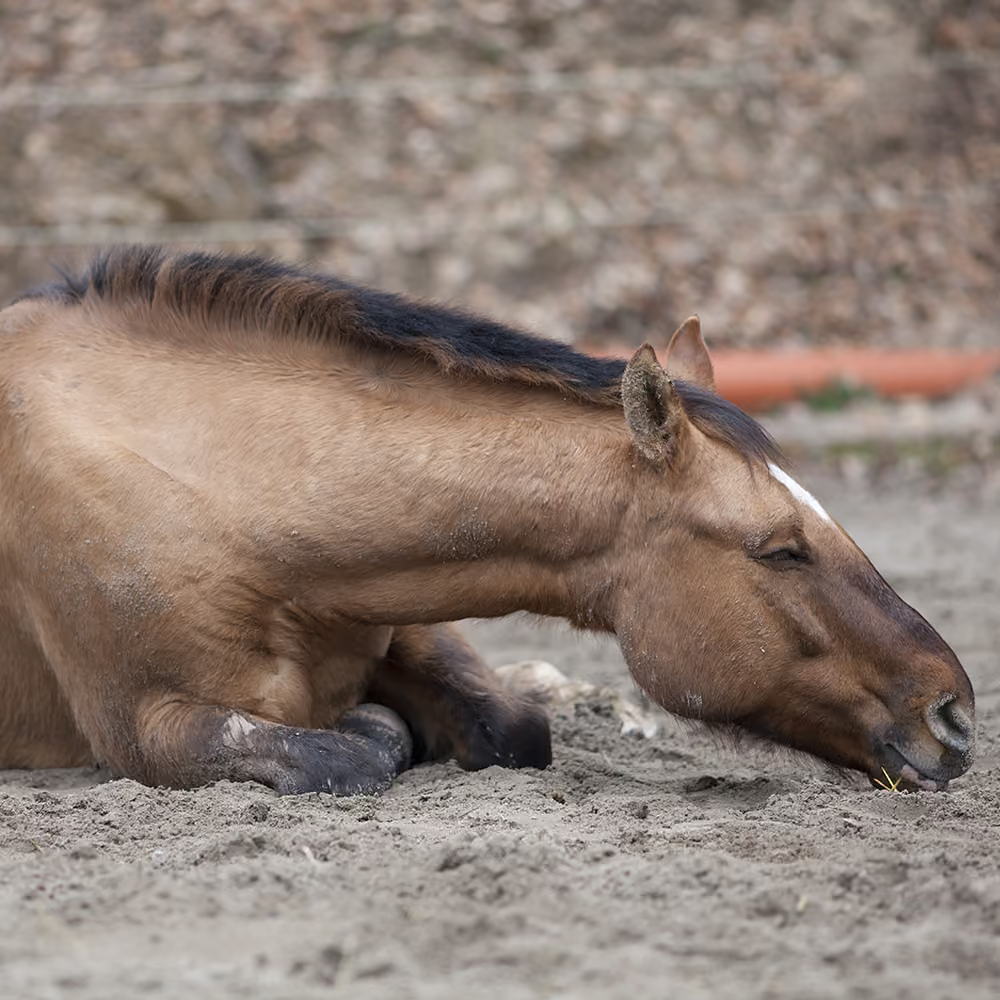
Arthritis can affect a horse's comfort, movement, and performance. Even mild joint changes can influence training and daily activity.

Common signs may include stiffness during movement, changes in stride or performance, sensitivity in affected joints and reduced willingness to work or train.

Treatment options By pet type

Options for Joint Health

Treatment for arthritis focuses on managing inflammation, improving comfort, and supporting long-term joint health.

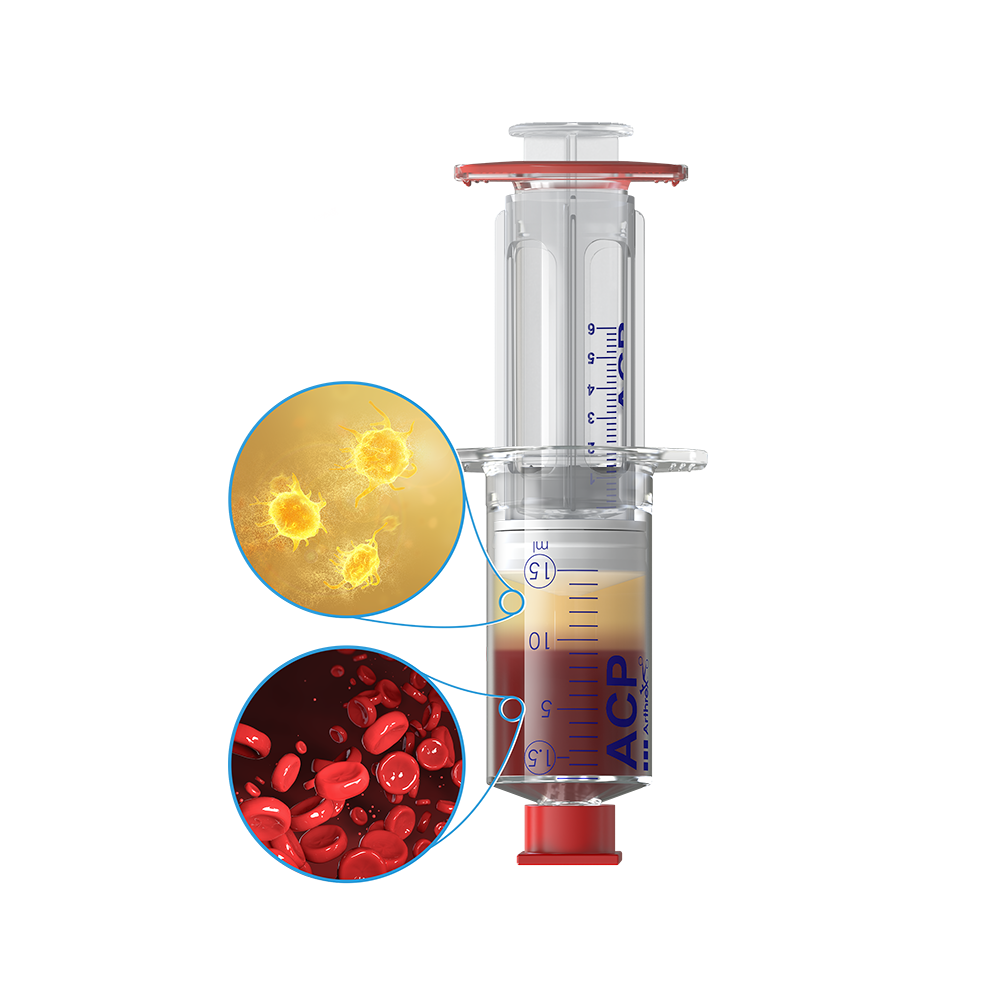
Arthrex ACP® System

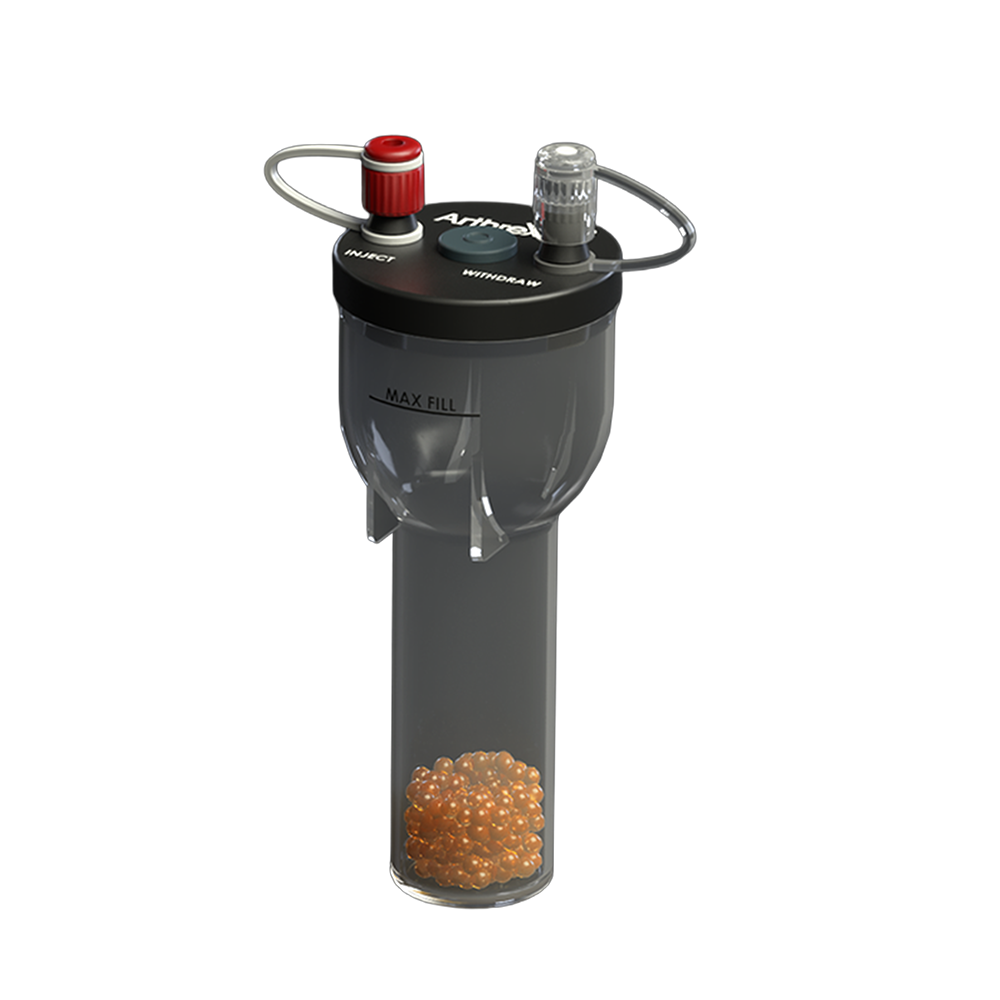
Uses your pet’s own blood to create a platelet-rich plasma (PRP) that is injected into the affected joint and may help reduce pain2 and inflammation3 while supporting the body’s natural healing response.4

Learn More

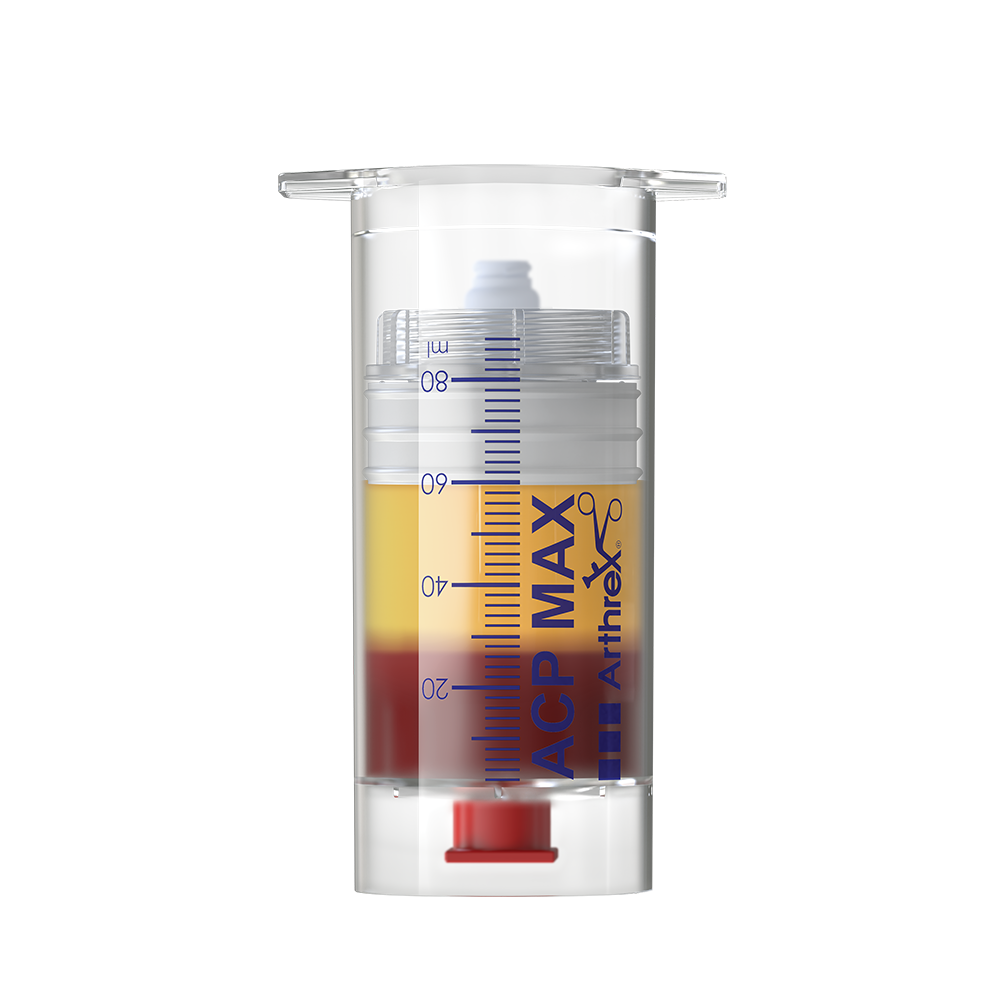
ACP Max™ System

Concentrates platelets while reducing inflammatory cells,4 helping support joint comfort, mobility, and function over time.5

Learn More

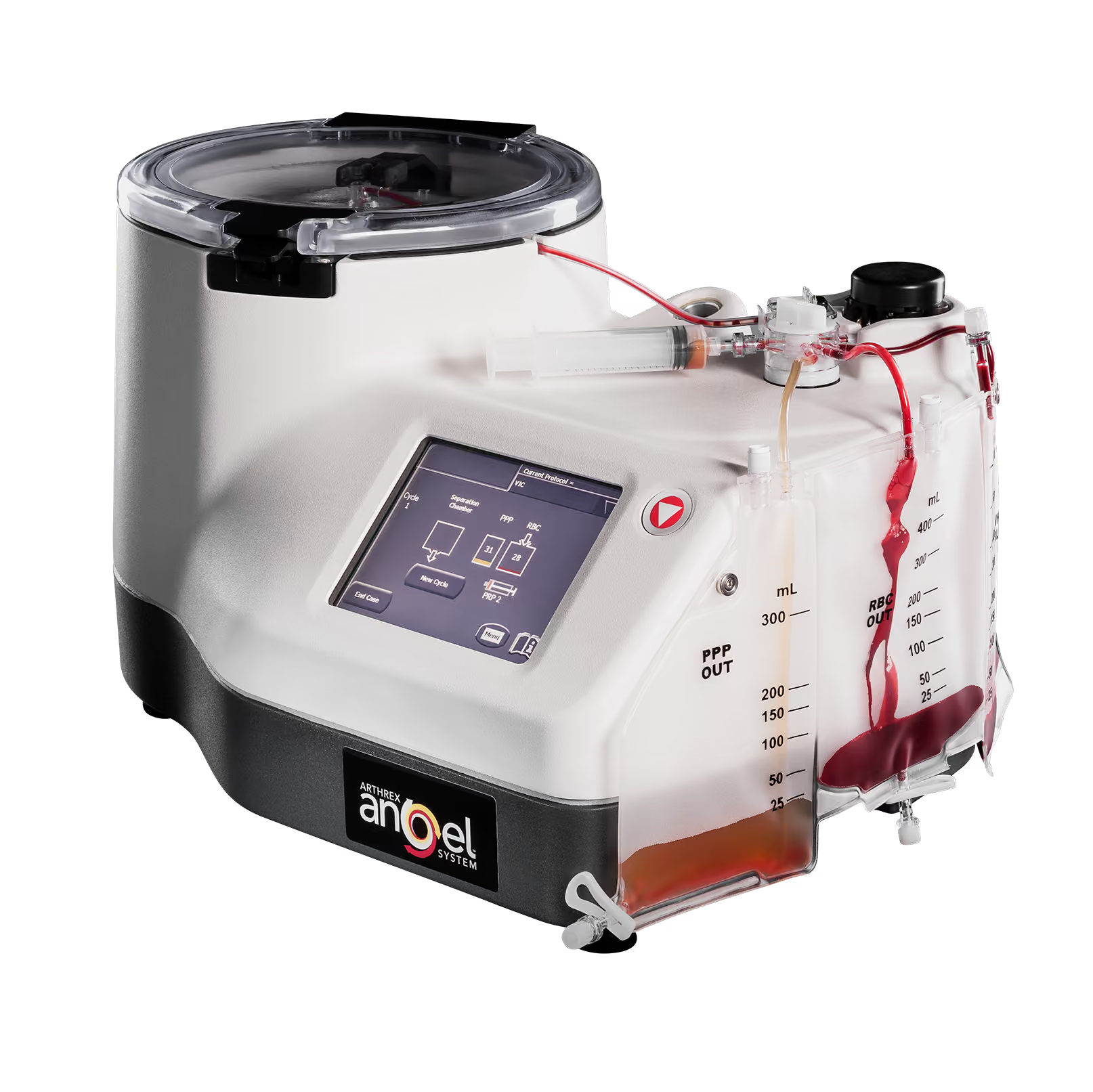
Angel® System

Allows veterinarians to prepare platelet-rich plasma (PRP) that can be customized to meet your pet's individual needs.

Learn More
These treatment options are designed to work with your pet's natural healing processes and may be used as part of a comprehensive care plan developed by your veterinarian to help support comfort, mobility, and quality of life.

Arthrex ACP® System

Uses your horse's own blood to concentrate platelets and growth factors,2 which may help reduce inflammation3 and support the body's natural healing response within the joint.4

Learn More

ACP Max™ System

Concentrates platelets while reducing inflammatory cells,4 helping support joint comfort, mobility, and function over time.5

Learn More

IRAP ProEAS™ System

Produces naturally occurring proteins called interleukin-1 receptor antagonist protein (IRAP) that help reduce inflammation within the joint,6 supporting comfort, mobility, and overall joint function.

Learn More
These therapies are designed to work with your horse's natural healing processes and are often used as part of a broader treatment plan to help maintain comfort, mobility, and quality of life.
Find a Veterinarian
Woman's feet with red pedicure resting above sunlit blue pool water

Find a Doctor Near You

close

Find a Veterinarian Near You

Enter your city, state, or ZIP (US only) to find a veterinarian near you.
Please enter your city, state, or zip (US only)