Understanding Knee Injuries in Dogs and Cats

Healthy knees are essential for pets to move, play, and stay active. Cranial cruciate ligament (CCL) disease is one of the most common causes of hind leg lameness in dogs and can also affect cats. As the ligament degenerates over time, it can cause pain and joint instability. Understanding the signs and available treatments can help you support your pet's recovery and long-term mobility.
Understanding the condition

What Is Cranial Cruciate Ligament Disease?

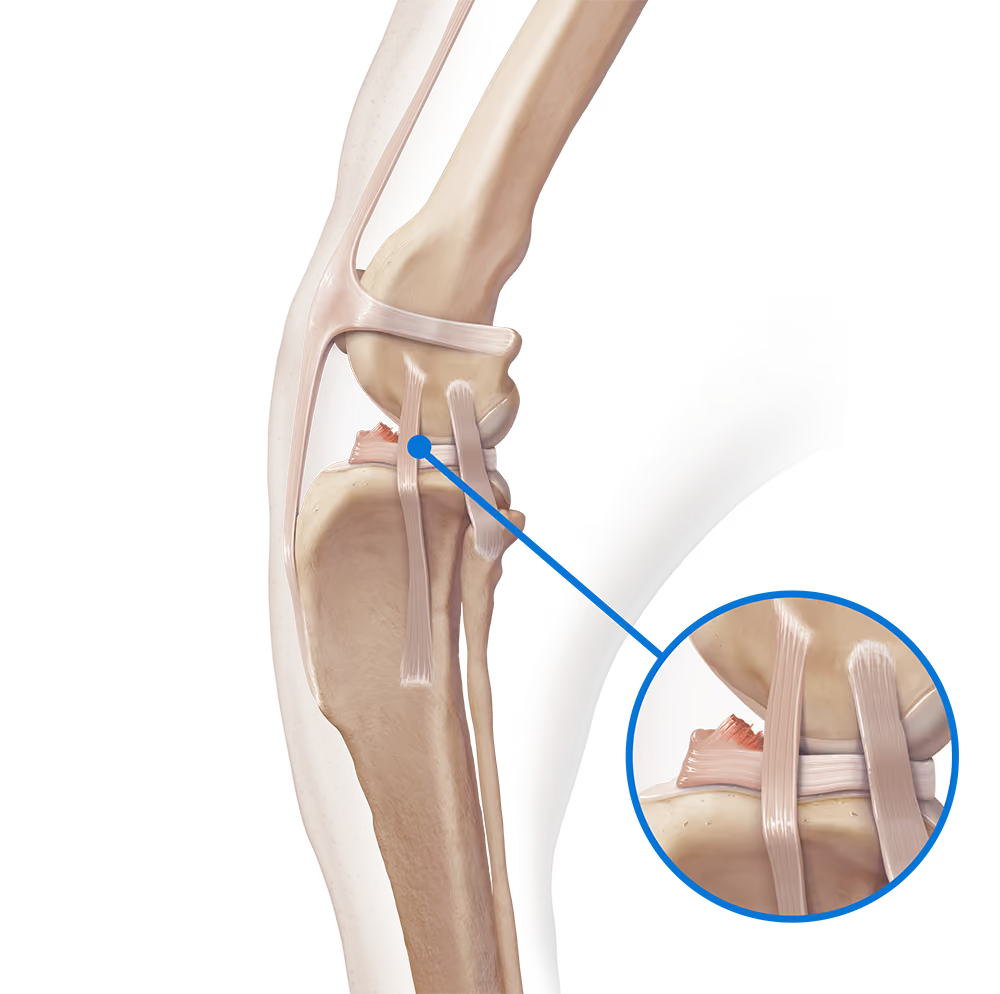
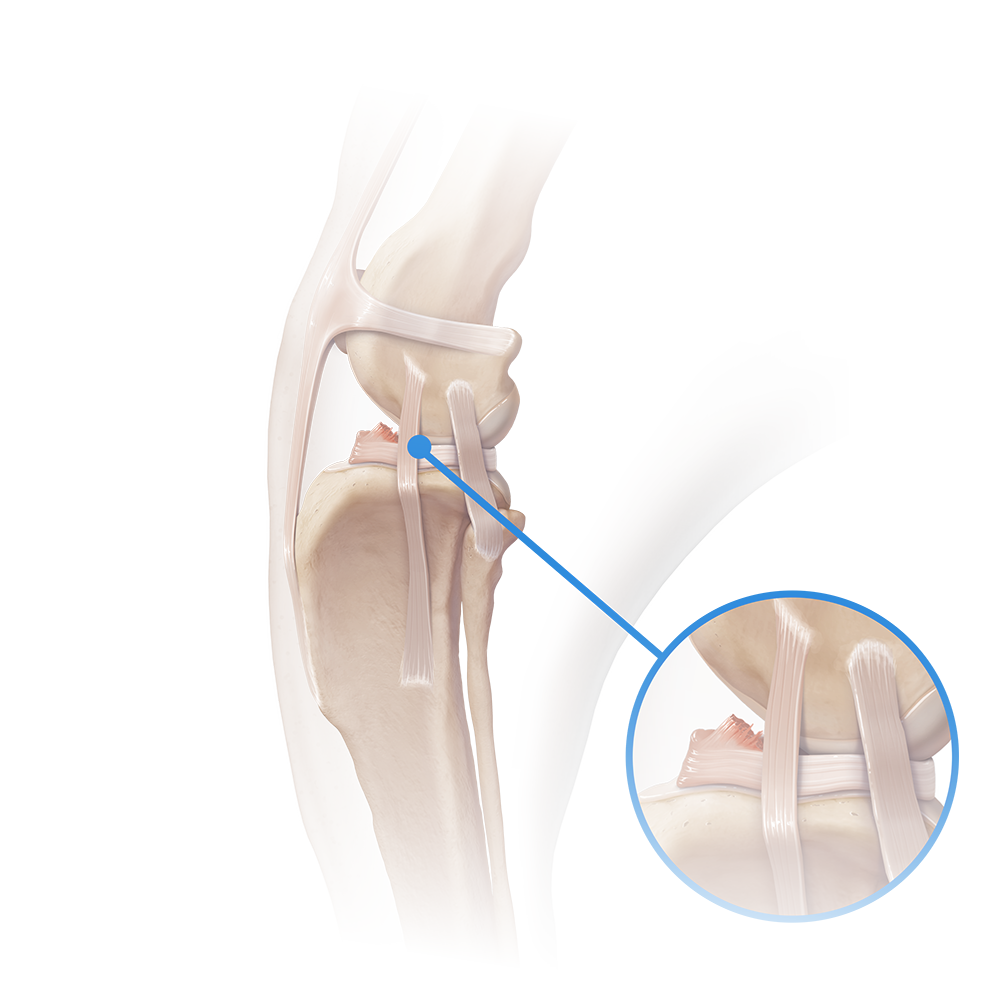
The cranial cruciate ligament (CCL) helps keep your pet’s knee stable and is the same as the ACL in people. In dogs, the CCL often weakens and tears gradually, so limping and other signs may develop over time.

As the tear worsens or if the meniscus (the knee's cushioning cartilage) is also injured, symptoms can suddenly become more severe. More than half of dogs with a torn CCL also have a meniscal injury.

CCL disease causes pain and instability in the knee and can lead to arthritis over time. While most common in dogs, CCL disease can also occur in cats and other animals.

Signs and Symptoms

Symptoms can include limping or holding a back leg up, stiffness after exercise or play, stiffness in the morning or after getting up from lying down, swelling or tenderness around the knee, and reluctance to run, jump, climb stairs, or get into the car.

Clicking sounds when walking can be a sign of a torn meniscus, which commonly occurs alongside a torn CCL.

Diagnosis

Your veterinarian will examine your pet and assess how the knee moves. X-rays are then taken to look for changes caused by the injury and to help plan the most appropriate treatment or surgery.

Learn More About CCL Disease

Find a Veterinarian

Treatment Options

Your veterinarian will recommend the treatment option that best fits your pet’s needs. While some pets may benefit from nonsurgical management, surgery is often recommended to stabilize the knee and support long-term mobility.
check_circle

Rest and activity modification

check_circle

Focus on low-impact activity

check_circle

Anti‑inflammatory and pain-relief medications

check_circle

Joint injections with biologics

info_i
ErrorWarningSuccessInformation

Nonsurgical management will not stabilize the knee, but it can help ease discomfort by treating the inflammation and arthritis, thereby supporting your pet's mobility.

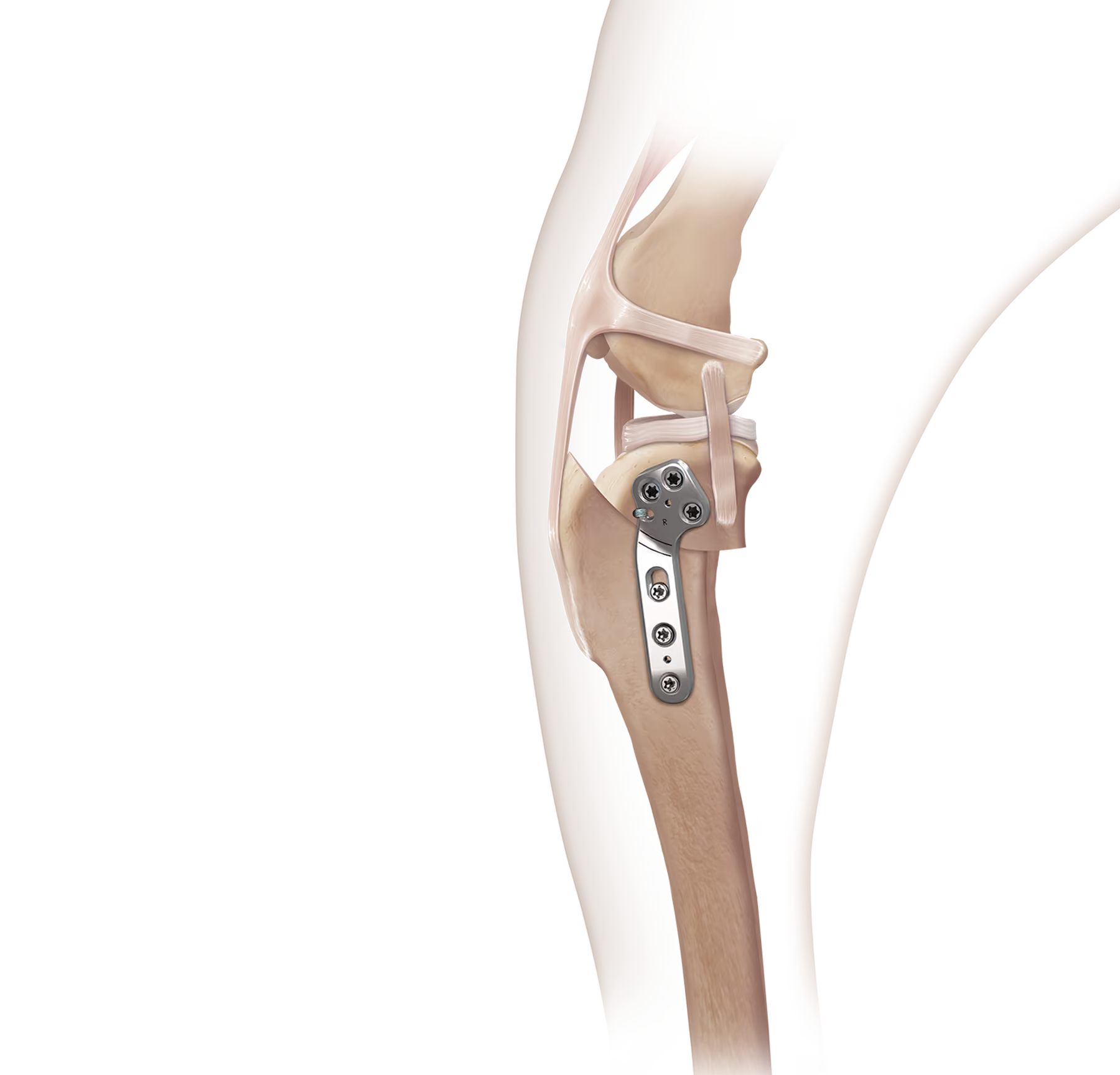
Tibial Plateau Leveling Osteotomy (TPLO)

A procedure that changes the angle of the shinbone (tibia) to stabilize the knee joint by making a cut in the bone. The bone is held in place with a plate and screws while it heals.

Learn More

InternalBrace™ Repair

Sometimes used with TPLO when additional stabilization is needed.

The InternalBrace surgical technique is intended only to augment the primary repair/reconstruction by expanding the area of tissue approximation during the healing period and is not intended as a replacement for the native ligament. The InternalBrace technique is for use during soft tissue-to-bone fixation procedures and is not cleared for bone-to-bone fixation.
Learn More

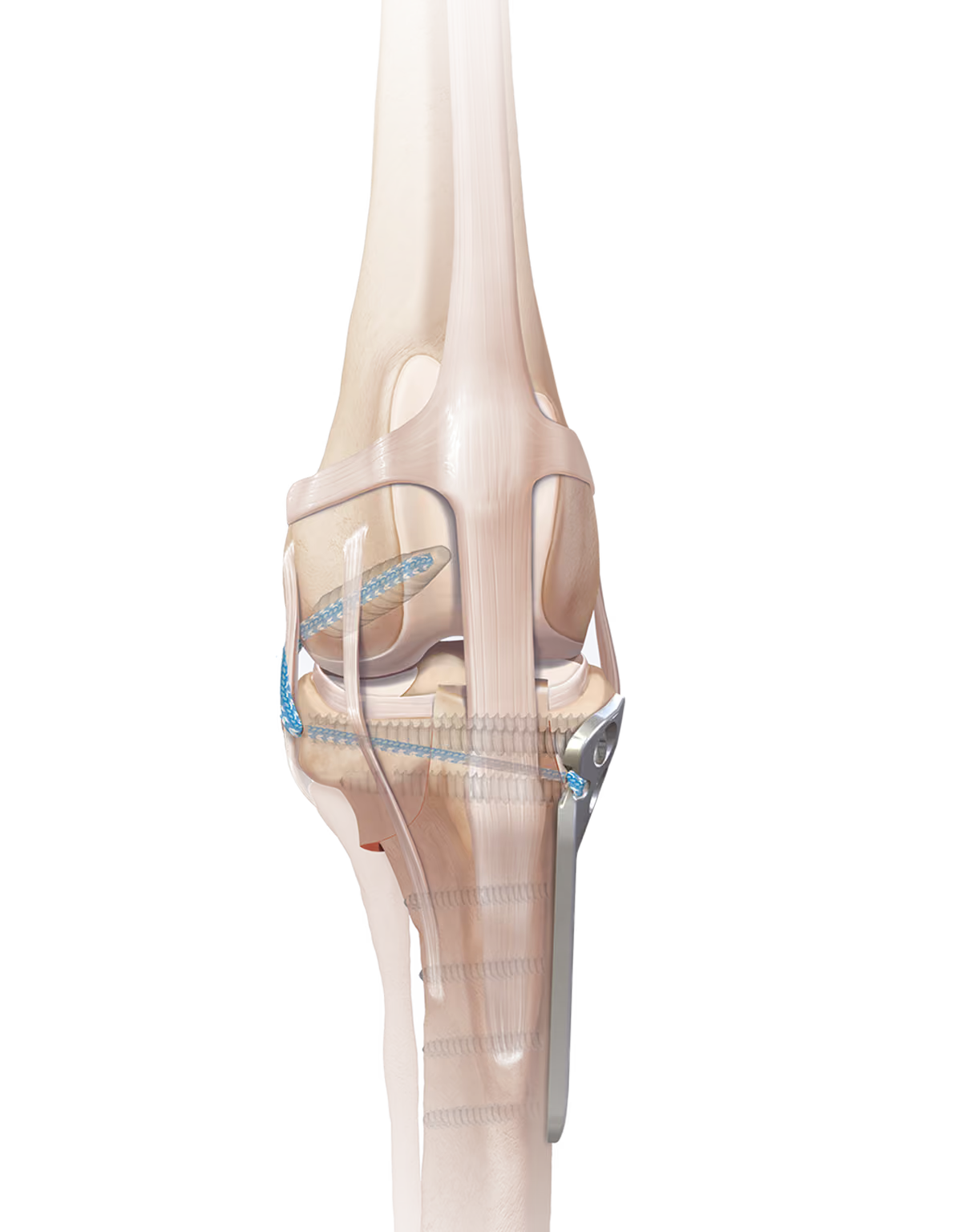
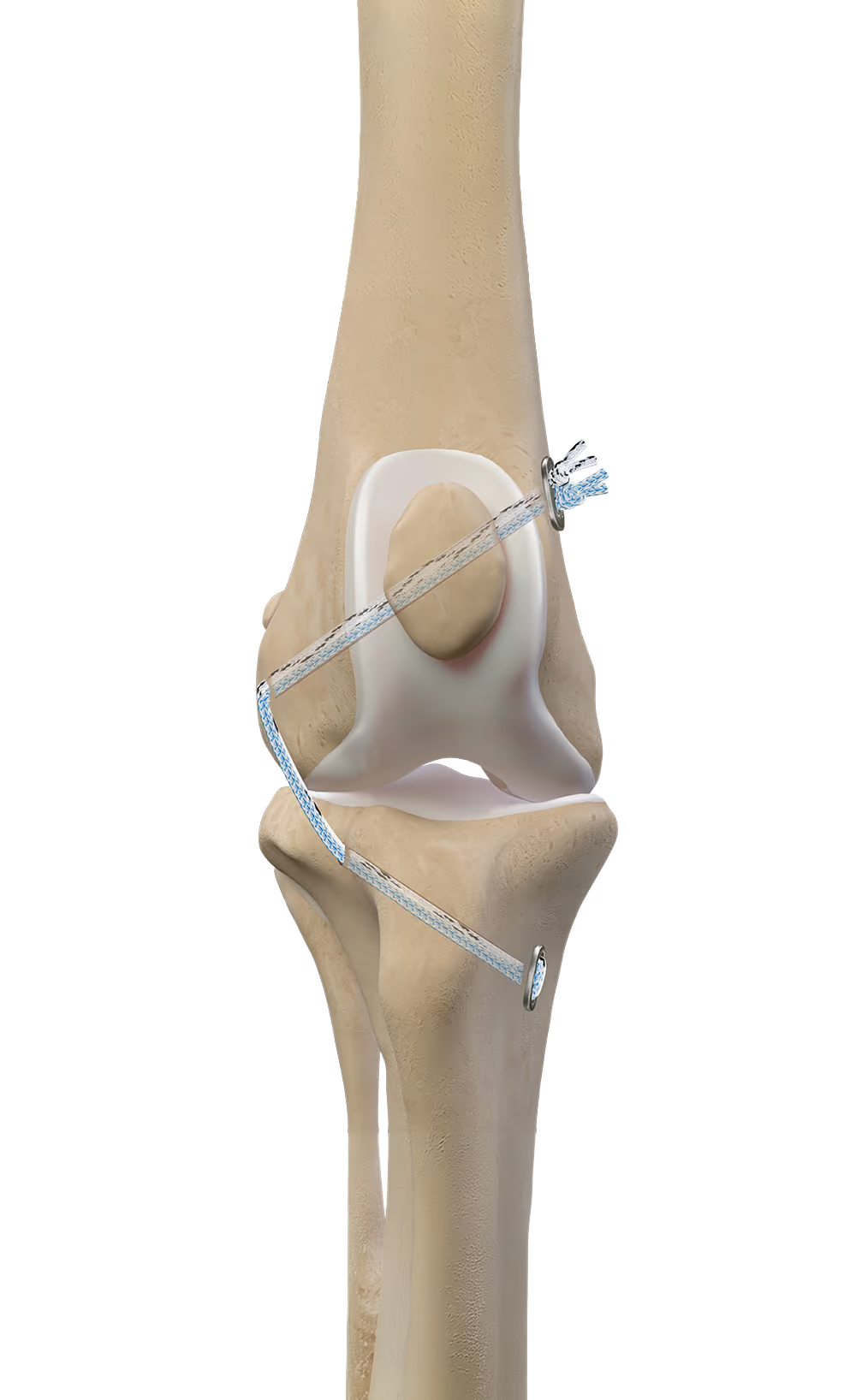
TightRope® Stabilization

In some cases, TPLO is not the best choice for your pet. In such cases, TightRope stabilization offers an alternative that uses strong, durable material to help stabilize the knee and support more comfortable movement.1,2

Learn More

Meniscal Treatment

No matter which surgery is used to stabilize the knee, your veterinarian will also check inside the joint to see if the meniscus is damaged and treat it if needed.

Learn More
Find a Veterinarian
Woman's feet with red pedicure resting above sunlit blue pool water

Find a Doctor Near You

close

Find a Veterinarian Near You

Enter your city, state, or ZIP (US only) to find a veterinarian near you.
Please enter your city, state, or zip (US only)