Orthopedic Care for Dogs and Cats
Many different types of injuries can affect your pet's comfort and mobility. Understanding common conditions and the available treatment options can help you make informed decisions about your pet's care and support long-term recovery.
Common Conditions in Dogs and Cats
Orthopedic conditions can affect your pet's ability to walk, run, jump, and play comfortably. Some conditions develop gradually over time, while others occur suddenly due to injury. Early diagnosis and treatment can help reduce pain, improve mobility, and support the best possible outcome for your pet.
CCL Disease (Knee Injury)
Cranial cruciate ligament (CCL) disease is a common cause of knee pain in pets. The CCL helps keep the knee stable, but as the ligament weakens and degenerates over time, the knee can become unstable. Pets with CCL disease may limp, have difficulty bearing weight on the affected leg, or become less active.
Arthritis
Arthritis develops when the smooth cartilage that cushions and protects a joint gradually wears down. This can lead to stiffness, discomfort, and difficulty moving, especially as your dog or cat ages.
Hip Luxation (Dislocated Hip)
Hip luxation, or a dislocated hip, happens when the "ball" at the top of the back leg comes out of the "socket" in the pelvis. This is usually caused by trauma and can make it difficult or painful for your pet to stand or walk.
Fractures (Broken Bones)
A fracture is a break or crack in a bone. Fractures can range from simple breaks to more complex injuries involving multiple bone fragments. Prompt diagnosis and treatment are important to ensure the bone heals properly and support your pet's return to normal movement.
Treatment Options for Dogs and Cats
Treatment plans vary based on your pet's condition, age, activity level, and overall health. Your veterinarian will recommend the approach that best supports healing, comfort, and long-term mobility.
CCL Treatment Options
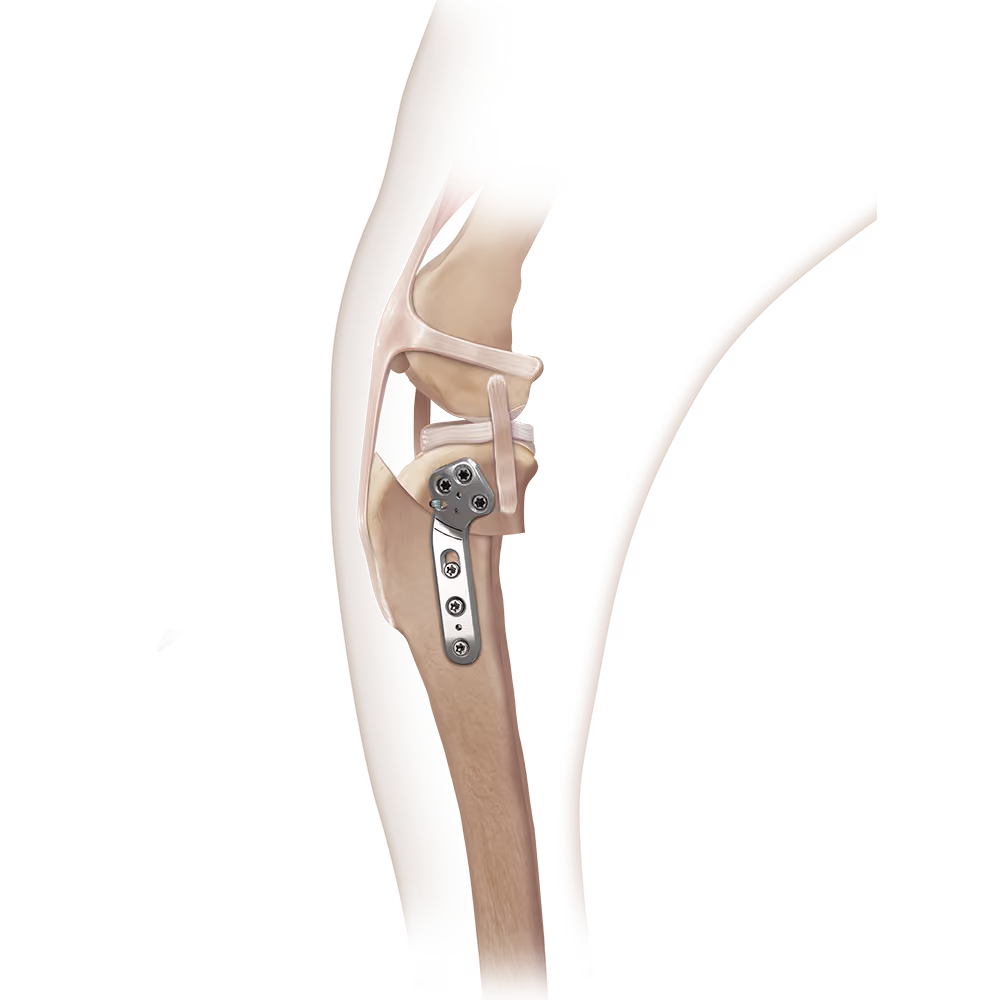
Several surgical procedures are available to treat CCL disease. One commonly performed procedure is tibial plateau leveling osteotomy (TPLO), which changes how forces are distributed within the knee to improve stability. Procedures that treat CCL disease are designed to reduce pain, improve movement, and help prevent further joint damage.
Learn more about TPLO and other CCL treatments
Biologic Treatments
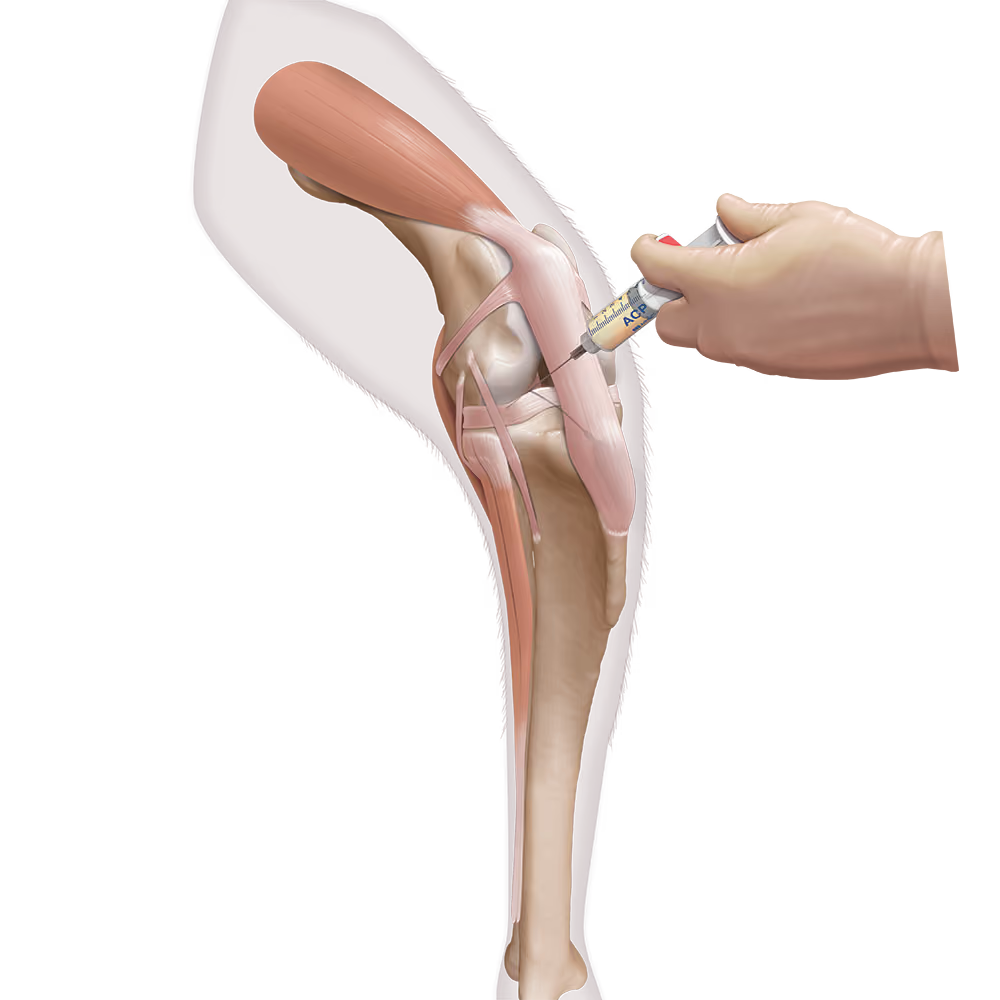
Biologic treatments such as platelet-rich plasma (PRP) are created from your pet's own blood. These treatments concentrate natural healing components that may help reduce inflammation and support healing, especially in joint conditions like arthritis.1
Learn more about biologic treatments
TightRope® Surgery for Hip Luxation
Treatment for a hip luxation (dislocated hip) focuses on restoring stability. In some cases, TightRope stabilization is used to help hold the joint in position while it heals, allowing your pet to regain comfortable movement.
Learn more about hip luxation treatments
.avif)
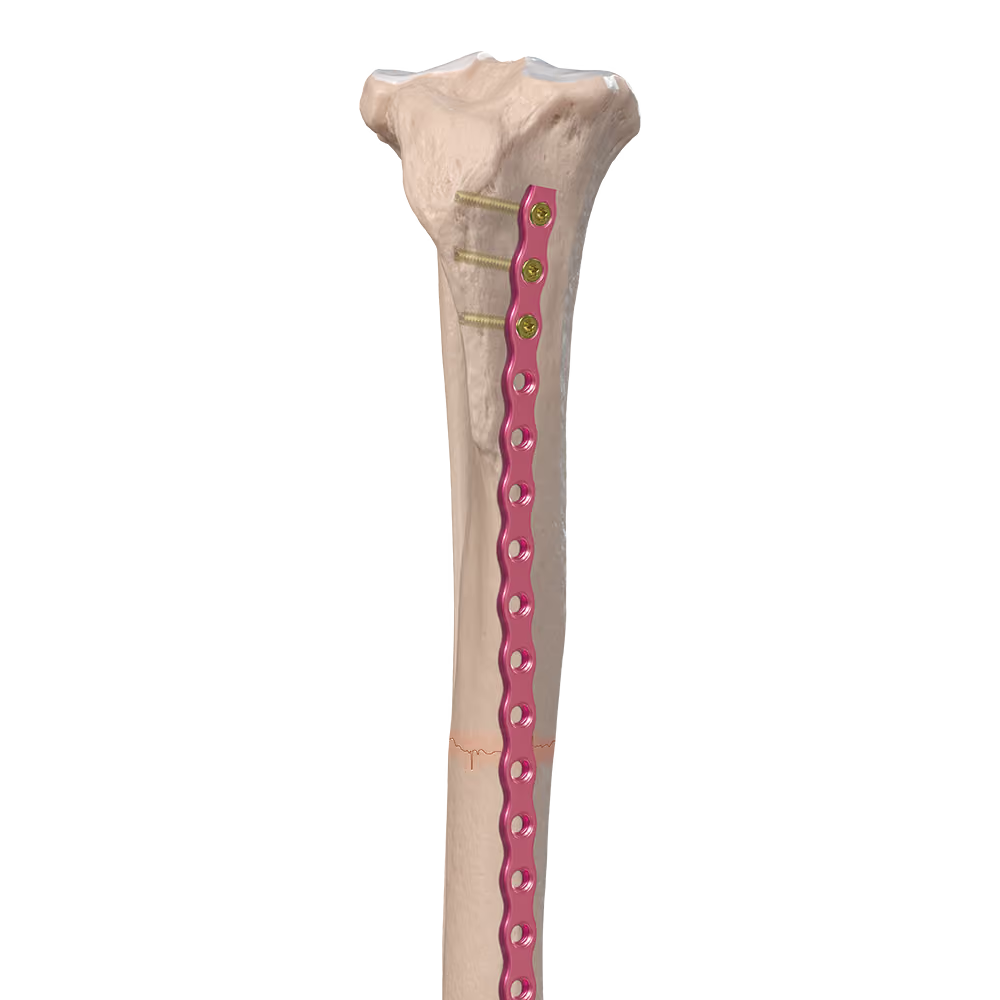
OrthoLine™ System for Fracture Repair
Fractures (broken bones) are often treated using a plating system. The OrthoLine system uses specially designed plates and screws to hold the bone in the correct position while it heals, helping support a safe and stable recovery.
Learn more about fracture repair treatments
Recovery for Dogs and Cats
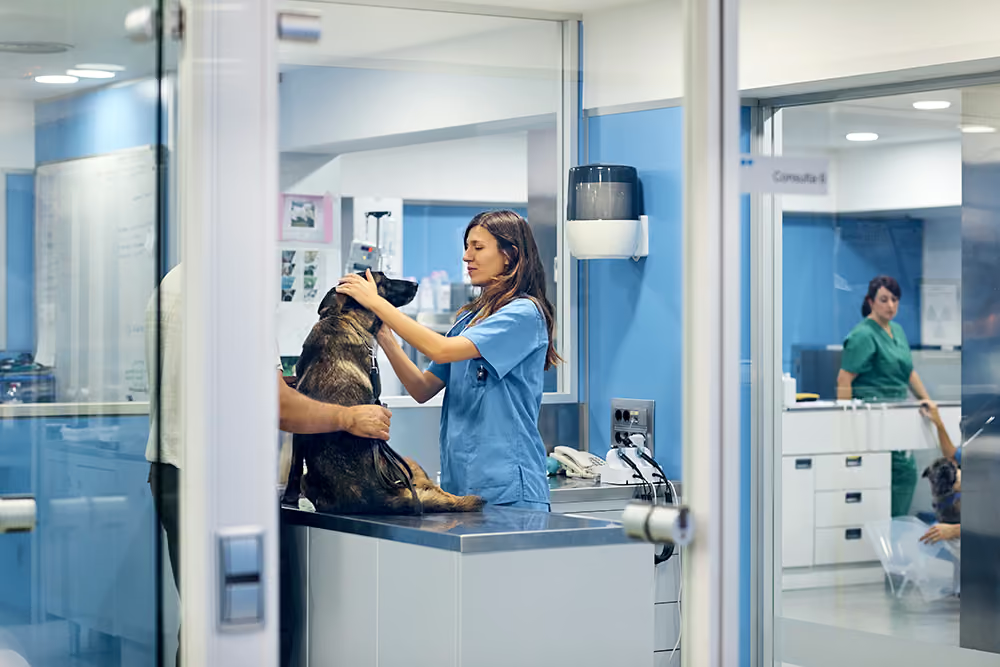
Recovery timelines vary depending on the condition, treatment, and individual pet, but most follow a gradual, step-by-step progression.
Every pet heals differently, so it's important to follow your veterinarian's guidance. They will adjust activity levels based on your pet's progress and specific condition.
Early Recovery (First 1-2 Weeks)
- Rest and restricted activity to protect healing
- Short, controlled leash walks only (if recommended)
- Monitor comfort, swelling, and incision healing

Mid-Recovery (Weeks 3-8)
- Gradual increase in controlled activity
- Continued restriction of running, jumping, and rough play
- Follow‑up visits to monitor healing progress
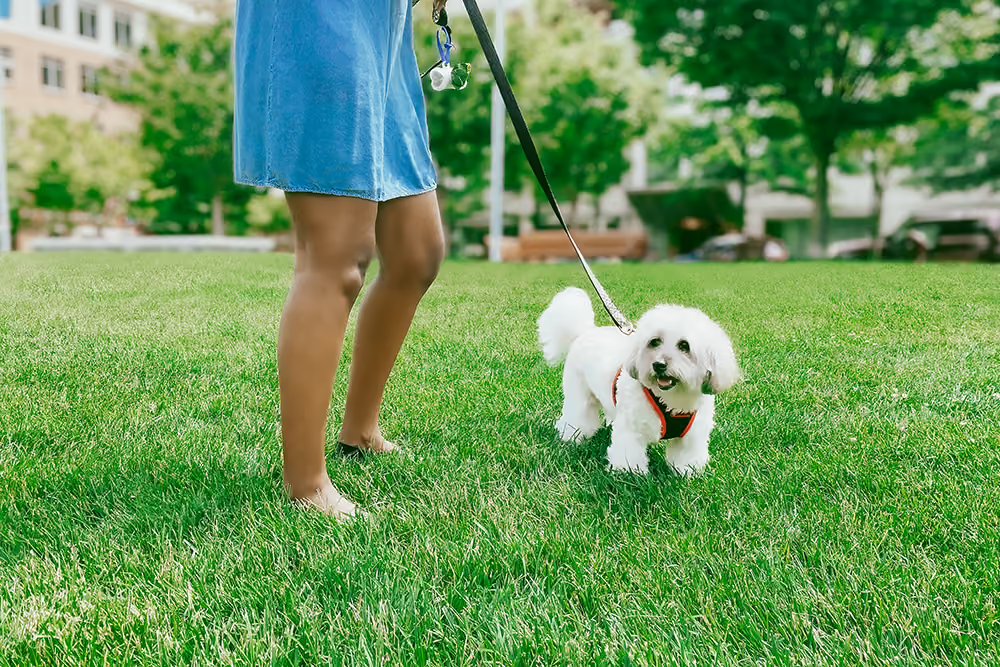
Late Recovery and Return to Activity (8+ Weeks)
- Continued strengthening through controlled exercise and physical therapy, if recommended
- Gradual transition back to normal activity based on veterinary guidance
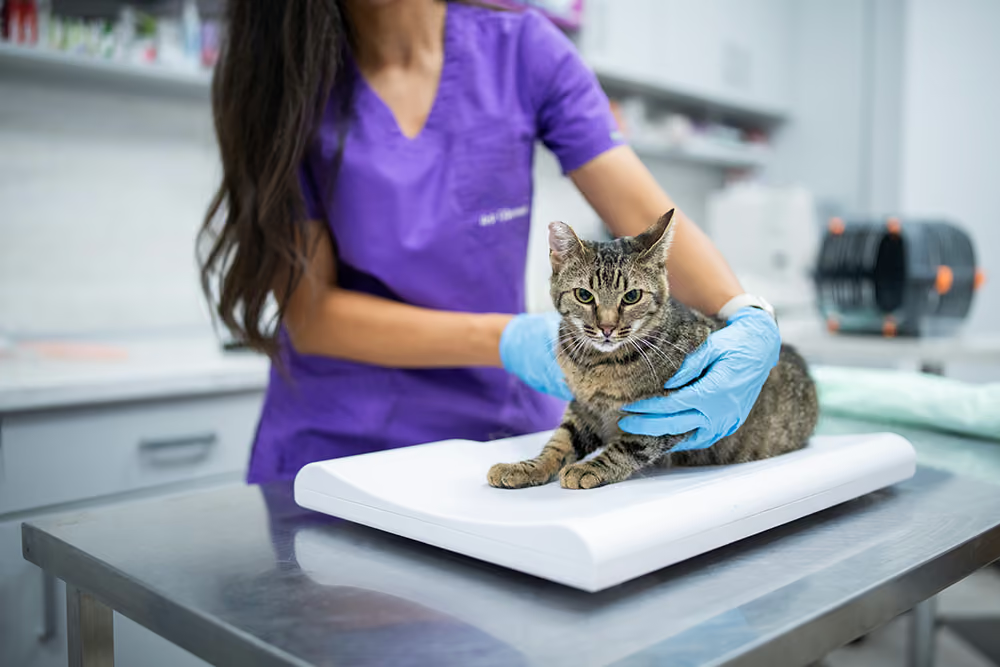
Early Recovery (First 1-2 Weeks)
- Rest and restricted activity to protect healing
- Confinement to a large crate or a small room with no furniture to jump on
- Monitor comfort, swelling, and incision healing
- Use of pelleted cat litter until the incision has healed
- Adjust litter box if needed to allow easy entry (lower pan, or cut side out of tall pans to allow access)

Mid-Recovery (Weeks 3-8)
- Gradual increase in controlled activity; time allowed outside of crate with direct supervision
- Continued restriction of running, jumping, and rough play
- Follow‑up visits to monitor healing progress
Late Recovery and Return to Activity (8+ Weeks)
- Continued strengthening through controlled exercise
- Gradual transition back to jumping and unrestricted activity based on veterinary guidance
See Real Stories of Recovery
Discover how pets like Dylan, Jackson, and Oakley returned to active lives after veterinary surgery with Arthrex advanced orthopedic pet care.
View All Stories