Biologic Treatments for Joint Health in Animals

Orthobiologic treatments such as platelet-rich plasma (PRP) and interleukin-1 receptor antagonist protein (IRAP) use your pet's own blood to support healing and help manage joint discomfort. These treatments can be used to improve comfort and mobility in conditions such as arthritis1 and tendon injuries.2
Understanding the treatment

What Is PRP?

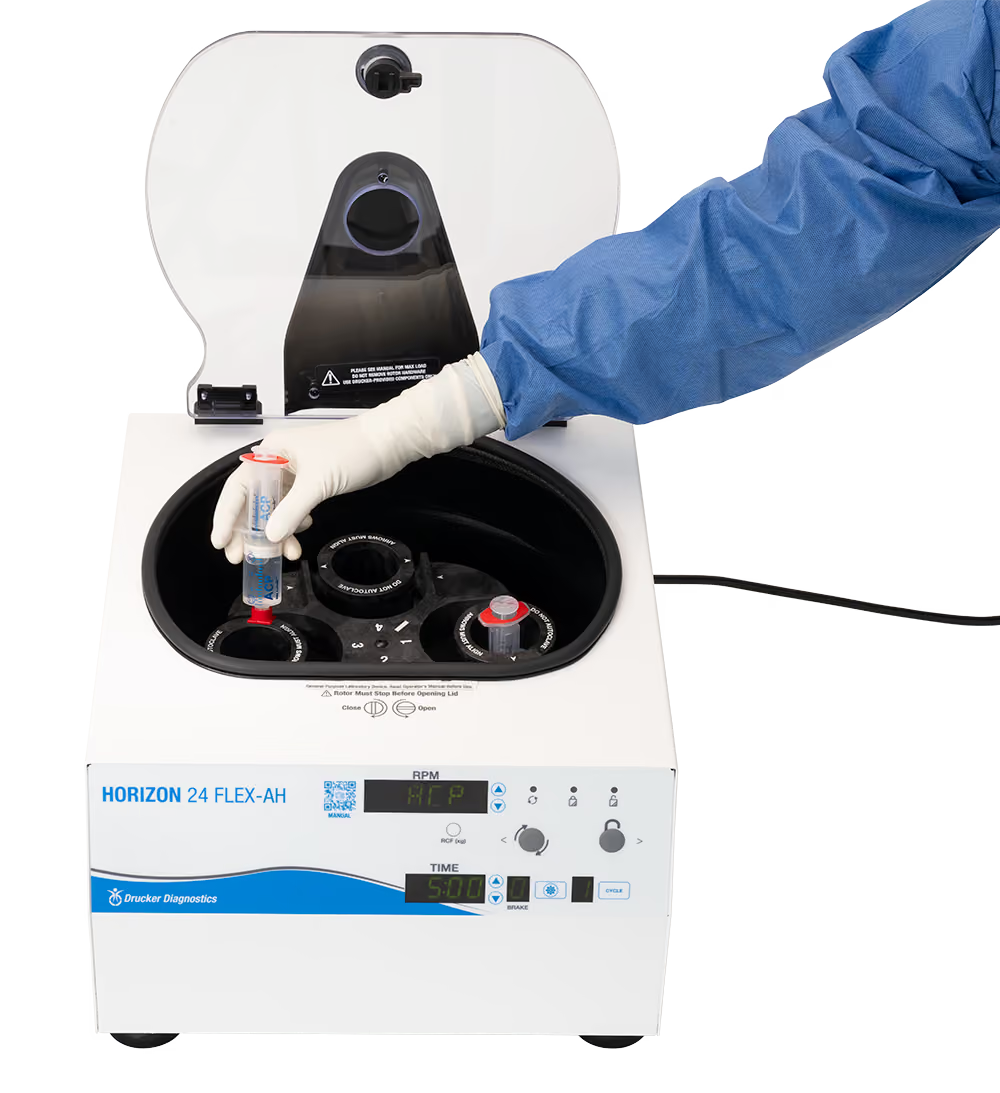
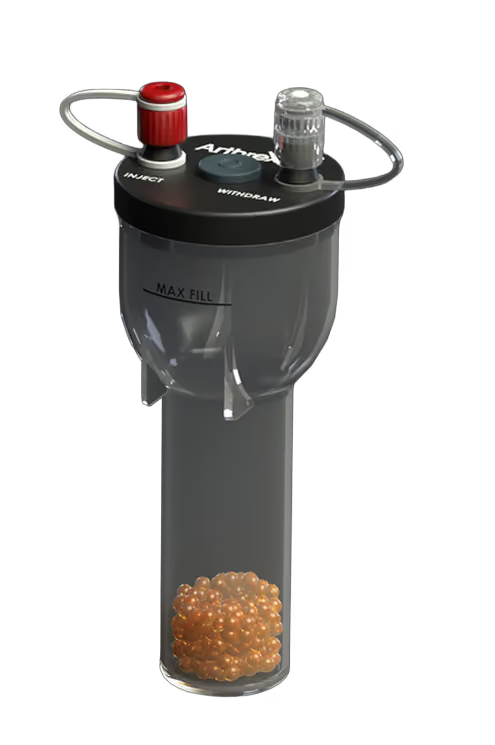
Platelet-rich plasma (PRP) is made from a small amount of your pet’s own blood. Blood contains platelets, which can help support the body’s natural healing process. A special system separates and concentrates the platelets and plasma from other parts of the blood, so they can be used for treatment. Because PRP comes from your pet’s own blood, no medications or artificial substances are added.

How It Works

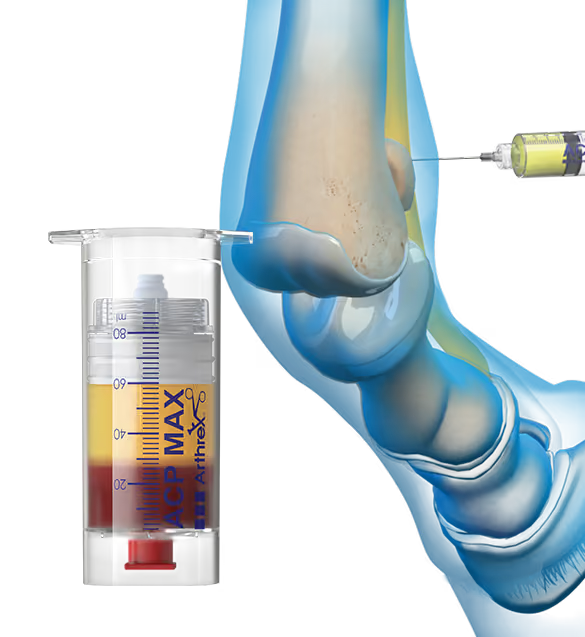
Platelets contain natural proteins called growth factors. These growth factors help support tissue repair and the body’s healing response. Injection of PRP into the treatment area delivers a higher concentration of platelets directly to the affected area.

What to Expect

PRP may help improve joint comfort and movement in pets with conditions such as arthritis. Improvement is usually gradual and may take several weeks. Some pets may need additional treatments depending on their condition and how they respond. Your veterinarian will determine the best treatment plan for your pet.

Learn More About Biologic Treatments

Find a Veterinarian
PRP

For Dogs and Cats

Several autologous conditioned plasma (ACP) treatment options are available for dogs and cats. ACP is a type of PRP that uses your pet’s own blood components to support healing, help manage joint discomfort, and promote long-term mobility and joint health.

Arthrex ACP® System

The Arthrex ACP system uses your pet’s own blood to create a concentrated solution of platelets and growth factors. The resulting product is injected into the affected area to help support healing1 and promote a healthy joint environment.3

The Arthrex ACP system can be used for joint conditions such as arthritis and may also support healing in tendons, ligaments, and wounds.

Find a Veterinarian
Learn More

Recovery

Biologic treatments such as PRP typically involve less downtime than surgery, but care is still important to support healing.

After treatment, your veterinarian may recommend:
check_circle
Temporary activity restriction for several days
check_circle
Gradual return to normal activity
check_circle
Monitoring comfort and movement over time

Improvement may occur gradually over several weeks as the body responds to treatment.

Some pets may benefit from repeat treatments depending on their condition and response.

Your veterinarian will guide appropriate activity levels and follow-up care based on your pet’s specific needs.

Learn More

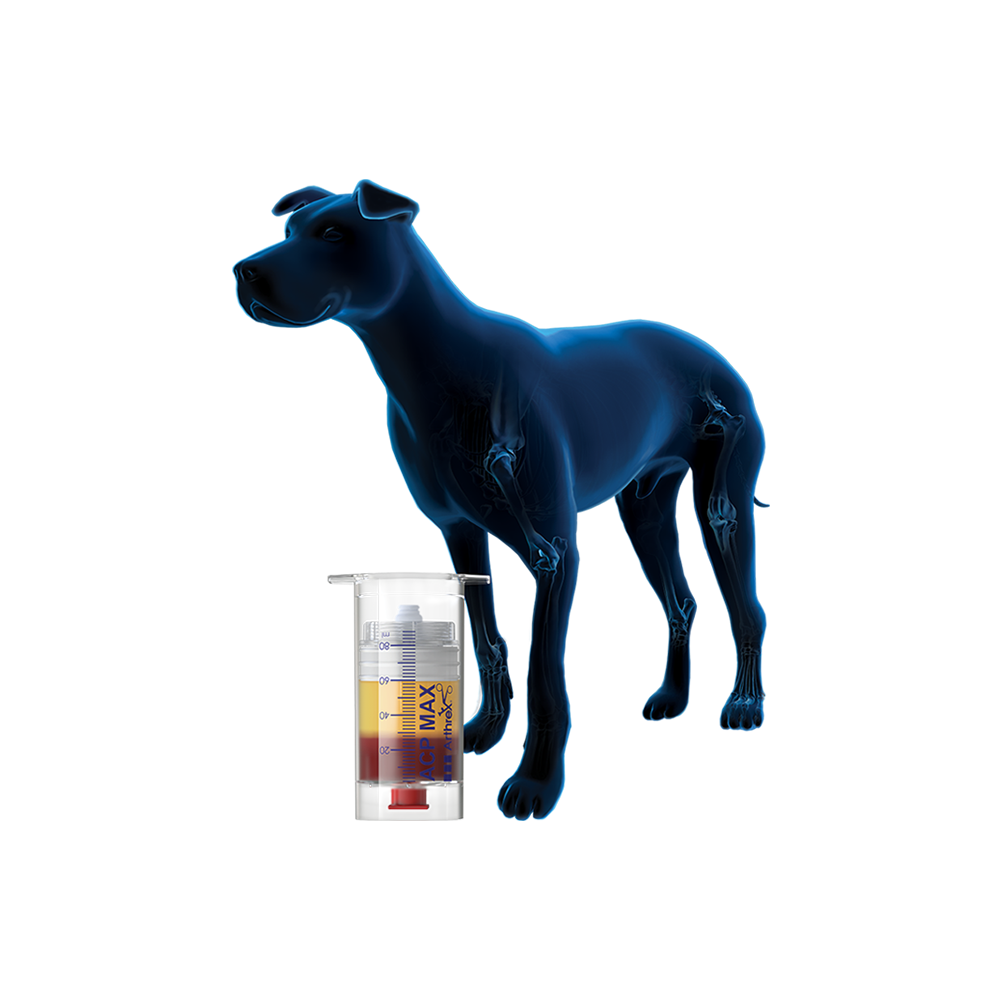
ACP Max™ System

The ACP Max system prepares platelet‑rich plasma from a larger sample of blood, resulting in a higher concentration of platelets.4 This approach may help support healing in more complex or chronic conditions, particularly in areas with limited blood supply.

Find a Veterinarian

Recovery

Biologic treatments such as PRP typically involve less downtime than surgery, but care is still important to support healing.
‍
After treatment, your veterinarian may recommend:
check_circle
Temporary activity restriction for several days
check_circle
Gradual return to normal activity
check_circle
Monitoring comfort and movement over time

Improvement may occur gradually over several weeks as the body responds to treatment.

Some pets may benefit from repeat treatments depending on their condition and response.

Your veterinarian will guide appropriate activity levels and follow-up care based on your pet’s specific needs.

Find a Veterinarian

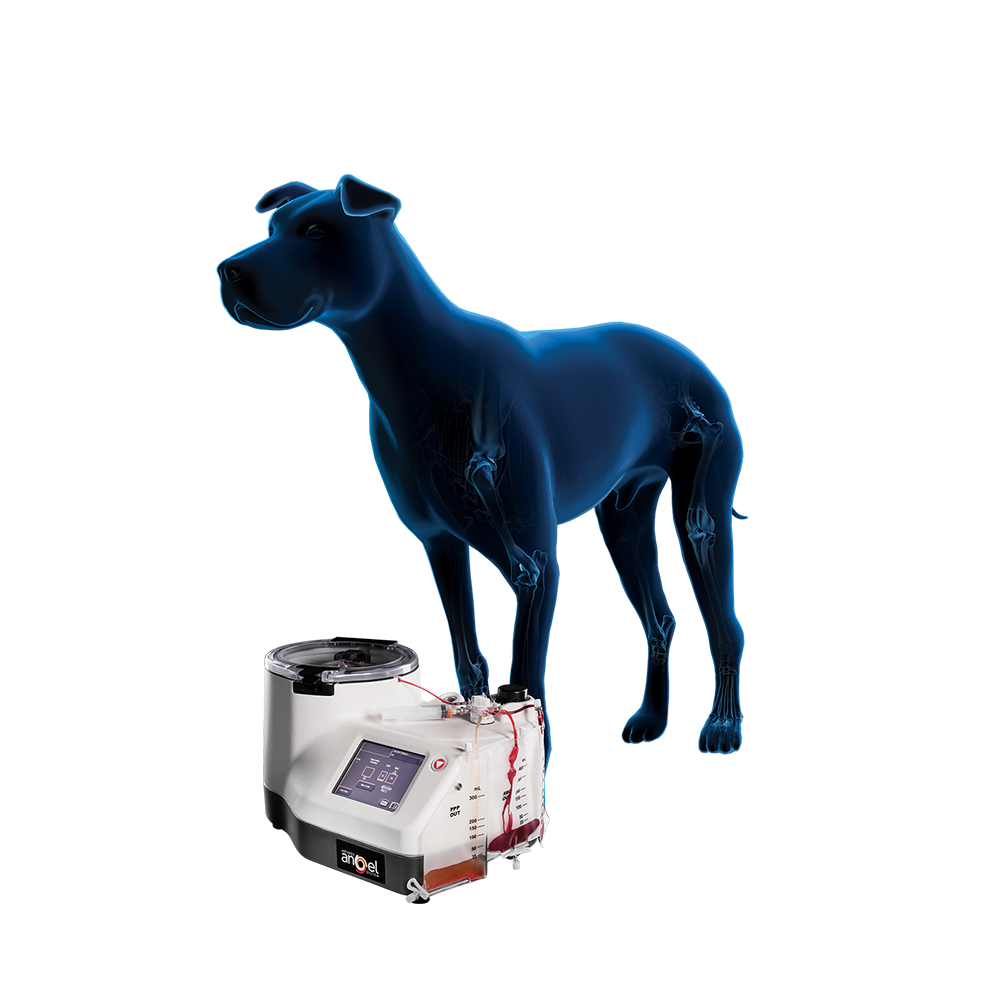
Angel® System

The Angel system allows veterinarians to prepare platelet rich plasma based on your dog's specific needs. This system can be used to create different PRP formulations depending on the treatment approach selected by your veterinarian.

Find a Veterinarian

Recovery

Biologic treatments such as PRP typically involve less downtime than surgery, but care is still important to support healing.

After treatment, your veterinarian may recommend:
check_circle
Temporary activity restriction for several days
check_circle
Gradual return to normal activity
check_circle
Monitoring comfort and movement over time

Improvement may occur gradually over several weeks as the body responds to treatment.

Some pets may benefit from repeat treatments depending on their condition and response.

Your veterinarian will guide appropriate activity levels and follow-up care based on your pet’s specific needs.

Find a Veterinarian
PRP and irap

For Horses

In horses, orthobiologic treatments are commonly used to treat tendon and ligament injuries and protect cartilage by focusing on reducing inflammation and supporting the healing process.

Arthrex ACP® System

The Arthrex ACP system provides a concentration of platelets and growth factors designed to help support healing and tissue repair2 while avoiding the long-term joint damage that may be caused by repeated corticosteroid use.

Find a Veterinarian
Learn More

ACP Max™ System

The ACP Max system is often used in horses as part of a structured rehabilitation program that may include multiple joints or different areas of the body. This system is designed to reduce inflammation and support healing.

Find a Veterinarian

IRAP ProEAS™ System

The IRAP ProEAS system works by increasing natural anti-inflammatory proteins called interleukin-1 receptor antagonist protein (IRAP) in the joint,5 helping reduce inflammation and support comfort.

In horses, IRAP is commonly used for joint conditions and performance-related concerns and is often given as a series of injections over time.

Find a Veterinarian
Find a Veterinarian
Woman's feet with red pedicure resting above sunlit blue pool water

Find a Doctor Near You

close

Find a Veterinarian Near You

Enter your city, state, or ZIP (US only) to find a veterinarian near you.
Please enter your city, state, or zip (US only)