Other Treatment Options
Not every pet or condition requires the same surgical approach, and your veterinarian may recommend alternatives based on your pet’s specific needs. These additional treatment options offer effective ways to manage pain and improve joint function—whether used alone or alongside surgery.
InternalBrace™ Repair
InternalBrace repair is an advanced procedure that can be added to a TPLO when additional rotational stability is needed. This added support may improve long-term outcomes in select cases.
Learn More About InternalBrace Repair

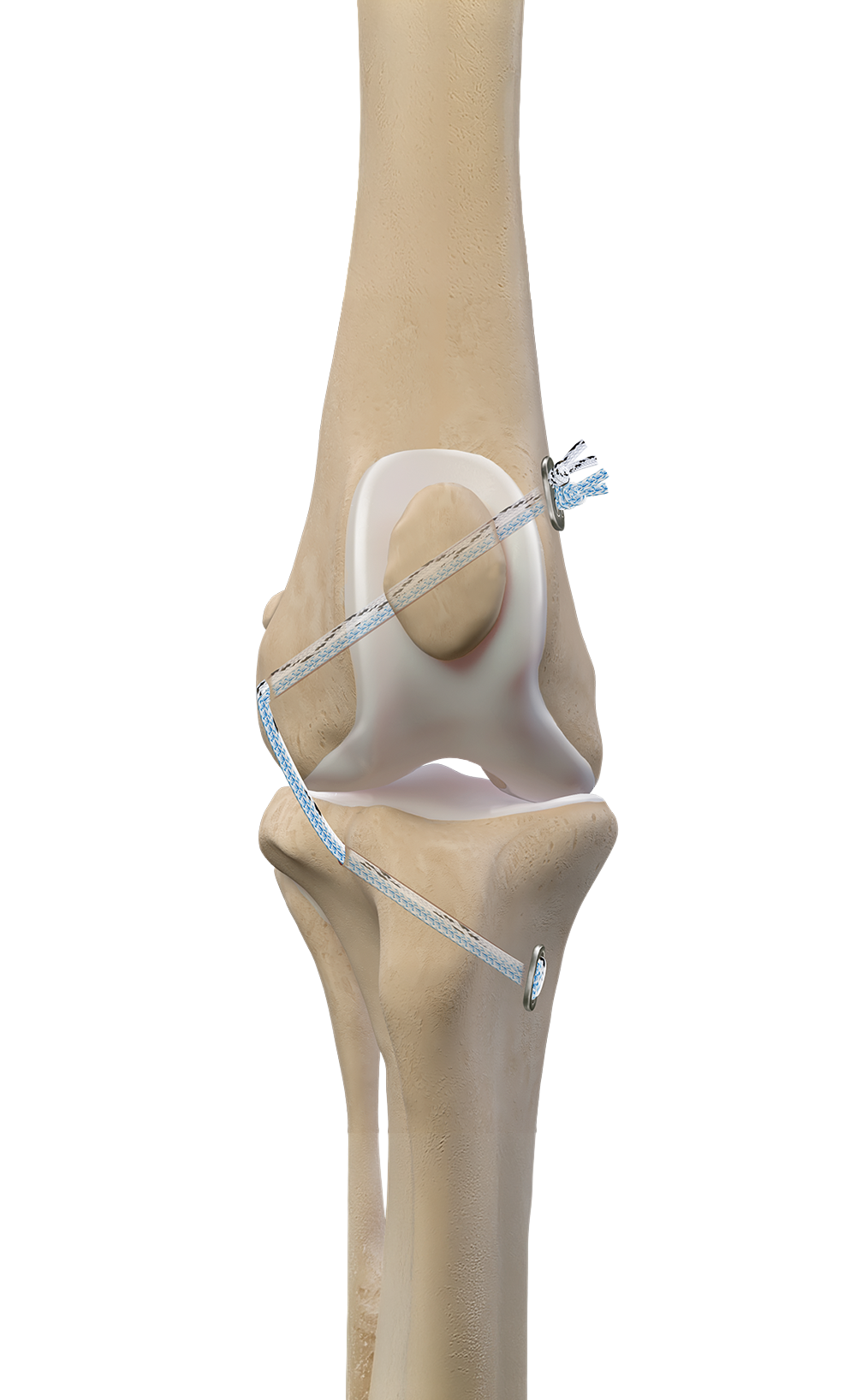
TightRope® Fixation
TPLO is considered one of the most effective techniques for CCL repair in dogs,2 but it may not be the right choice for every patient. For dogs who need strong knee support but aren’t ideal candidates for TPLO, TightRope fixation can be a reliable alternative that helps improve stability6 and overall comfort.4
TightRope fixation is a surgical procedure used to stabilize the knee without cutting the bone. In some cases, it can be performed using a minimally invasive approach. During the procedure, a very strong suture is placed through small bone tunnels to help keep the knee stable.
TightRope fixation is a surgical procedure used to stabilize the knee without cutting the bone. In some cases, it can be performed using a minimally invasive approach. During the procedure, a very strong suture is placed through small bone tunnels to help keep the knee stable.
Learn More About TightRope Fixation
TPLO-MPL Combined Procedure
Some dogs experience both a CCL tear and medial patellar luxation (MPL), a condition where the kneecap slips out of its normal position. When these issues occur together, a combined TPLO‑MPL surgery can address both problems at once.
During this procedure, the TPLO stabilizes the knee after the CCL tear, and the MPL correction helps keep the kneecap properly aligned. Treating both conditions in a single surgery may support smoother recovery and long‑term joint comfort. Using a TPLO‑MPL plate allows both corrections to be performed through a single, streamlined approach, creating a more seamless procedure for your surgeon and a more efficient experience for your pet.7
During this procedure, the TPLO stabilizes the knee after the CCL tear, and the MPL correction helps keep the kneecap properly aligned. Treating both conditions in a single surgery may support smoother recovery and long‑term joint comfort. Using a TPLO‑MPL plate allows both corrections to be performed through a single, streamlined approach, creating a more seamless procedure for your surgeon and a more efficient experience for your pet.7
Learn More About TPLO-MPL

JumpStart® Antimicrobial Wound Dressings
JumpStart® dressings create moisture‑activated microcurrents designed to protect surgical incisions from harmful bacteria and support wound healing.
Similar bioelectric technology has been shown to improve wound healing in animal studies,8 and additional antimicrobial benefits are supported by research in human and laboratory settings.9-12
Similar bioelectric technology has been shown to improve wound healing in animal studies,8 and additional antimicrobial benefits are supported by research in human and laboratory settings.9-12
Learn More About JumpStart Dressings

Autologous Conditioned Plasma Therapy
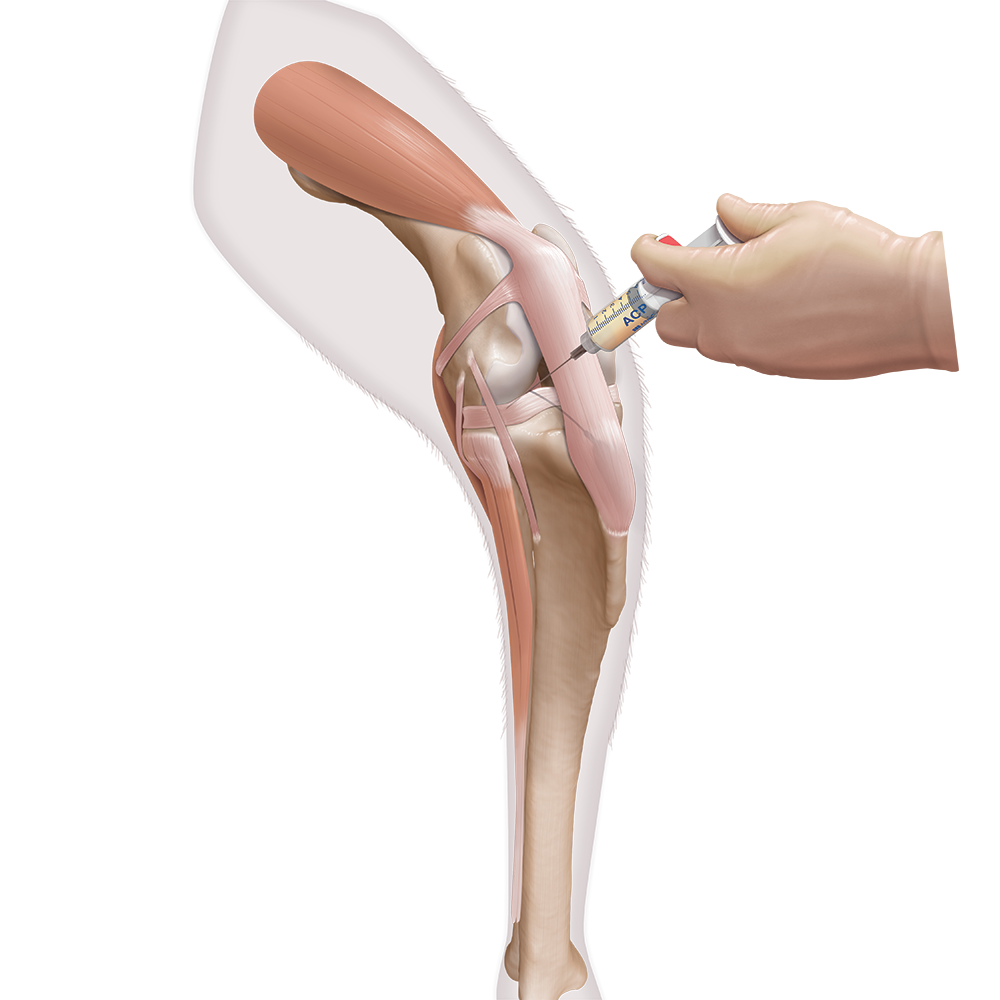
Autologous conditioned plasma (ACP) therapy uses your pet’s own blood to help reduce joint pain and support healing.13 A small blood sample is collected and gently processed to concentrate helpful platelets and growth factors.
The resulting plasma is then injected into the affected joint, where it can help calm inflammation, improve comfort, and support healthier joint function without introducing drugs or foreign substances. ACP can also be used to treat certain tendon and ligament injuries, as well as promote healing in some types of wounds.14
The resulting plasma is then injected into the affected joint, where it can help calm inflammation, improve comfort, and support healthier joint function without introducing drugs or foreign substances. ACP can also be used to treat certain tendon and ligament injuries, as well as promote healing in some types of wounds.14
Learn More About ACP Therapy
NanoNeedle™ Arthroscopy
NanoNeedle arthroscopy is an ultra‑minimally invasive technology that uses a needle‑sized camera to look inside the joint. It can be used as a diagnostic tool under light sedation, allowing veterinarians to see joint structures clearly and identify problems without a full surgical procedure.
For certain conditions, the same tiny camera and instruments can also be used during surgery, enabling veterinarians to treat joint issues through very small incisions.
For certain conditions, the same tiny camera and instruments can also be used during surgery, enabling veterinarians to treat joint issues through very small incisions.
Learn More About NanoNeedle Arthroscopy


